



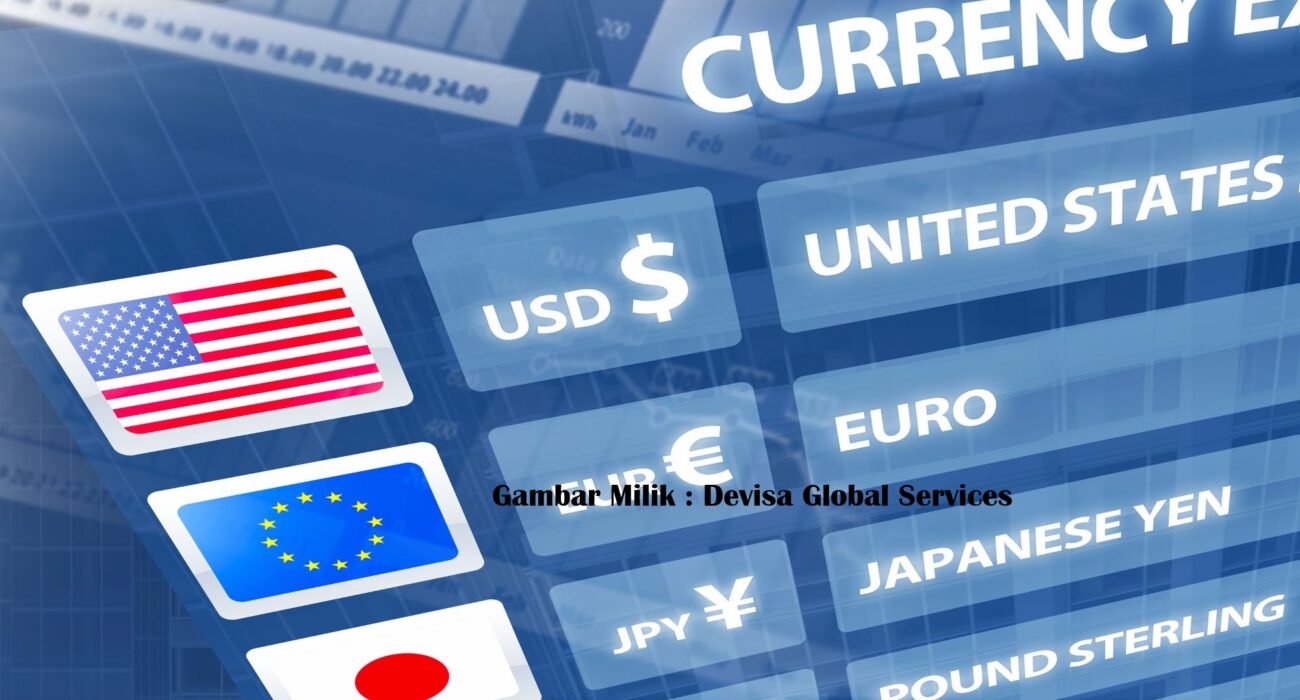
Understanding Foreign Exchange Reserves and Their Role in the National Economy – Foreign exchange reserves, commonly referred to as foreign reserves or forex reserves, are among the most important financial assets owned by a country’s central bank or monetary authority. These reserves consist of foreign currencies, gold, special drawing rights (SDRs), and reserve positions in international financial institutions.
They play a vital role in maintaining economic stability, supporting international trade, and strengthening investor confidence. In today’s global economy, sufficient foreign exchange reserves are considered a key indicator of a country’s financial health and economic resilience.
What Are Foreign Exchange Reserves?
Foreign exchange reserves are assets held by a nation’s central bank in foreign currencies such as the US dollar, euro, British pound, Japanese yen, and other internationally accepted currencies. These reserves may also include gold and reserve assets provided by international organizations. Countries accumulate foreign exchange through exports, foreign direct investment, tourism revenue, remittances, international loans, and other cross-border financial transactions.
A strong export sector and healthy foreign investment inflows generally contribute to higher reserve levels. The primary purpose of maintaining foreign exchange is to ensure that a country has sufficient foreign currency available to meet international payment obligations and respond to financial emergencies.
Main Functions of Foreign Exchange Reserves
Foreign exchange reserves perform several important functions within the national economy. One of their primary functions is to support international trade. Countries use foreign exchange to pay for imported goods and services, especially essential commodities such as fuel, machinery, food, and medical equipment. Without adequate reserves, international trade activities may become difficult and expensive.
Another important function is maintaining exchange rate stability. Central banks may intervene in the foreign exchange market by buying or selling foreign currencies to reduce excessive fluctuations in the value of the national currency. Stable exchange rates help businesses plan investments and reduce uncertainty in international transactions.
Foreign exchange reserves also serve as a financial safety net during periods of economic crisis. During global financial instability or sudden capital outflows, reserves provide liquidity that allows governments and central banks to stabilize financial markets and maintain public confidence.
Importance for Economic Stability
A country with strong foreign exchange is generally better prepared to face external economic shocks. Natural disasters, geopolitical conflicts, global recessions, or unexpected declines in export revenues can place significant pressure on a nation’s economy.
Adequate reserves enable governments to continue financing essential imports even when foreign currency earnings temporarily decline. This capability helps prevent shortages of critical goods and minimizes disruptions to economic activity.
Furthermore, high reserve levels often improve a country’s creditworthiness. International investors and financial institutions tend to view countries with substantial reserves as financially stable, making it easier to attract foreign investment and secure international financing at competitive interest rates.
Factors That Influence Foreign Exchange Reserves
Several economic factors determine the size of a country’s foreign exchange reserves. Export performance is one of the most significant contributors. Countries that export large volumes of goods and services typically receive more foreign currency income. Foreign direct investment also plays an important role. Increased investment from international companies brings additional foreign currency into the country and strengthens reserve holdings. Tourism is another important source of foreign exchange for many nations.
International visitors spend foreign currencies on accommodation, transportation, entertainment, and other services, contributing to reserve accumulation.Government policies, exchange rate management, international borrowing, and global economic conditions also influence the level of foreign exchange over time.
Challenges in Managing Foreign Exchange Reserves
Although large foreign exchange reserves provide many benefits, managing them requires careful planning. Central banks must balance safety, liquidity, and investment returns when allocating reserve assets. Holding excessive reserves may involve opportunity costs because these assets are often invested in low-risk securities that generate relatively modest returns.
On the other hand, insufficient reserves can increase economic vulnerability during financial crises. Therefore, policymakers continuously monitor reserve adequacy based on import coverage, external debt obligations, and potential capital flow risks to ensure that reserves remain at appropriate levels.
Conclusion
Foreign exchange reserves are a fundamental component of a nation’s economic strength and financial stability. They support international trade, stabilize exchange rates, strengthen investor confidence, and provide protection during periods of economic uncertainty. Effective management of foreign exchange enables governments and central banks to respond to global economic challenges while maintaining sustainable economic growth.
As international trade and financial integration continue to expand, maintaining adequate and well-managed foreign exchange will remain essential for protecting national economic interests and ensuring long-term prosperity.