



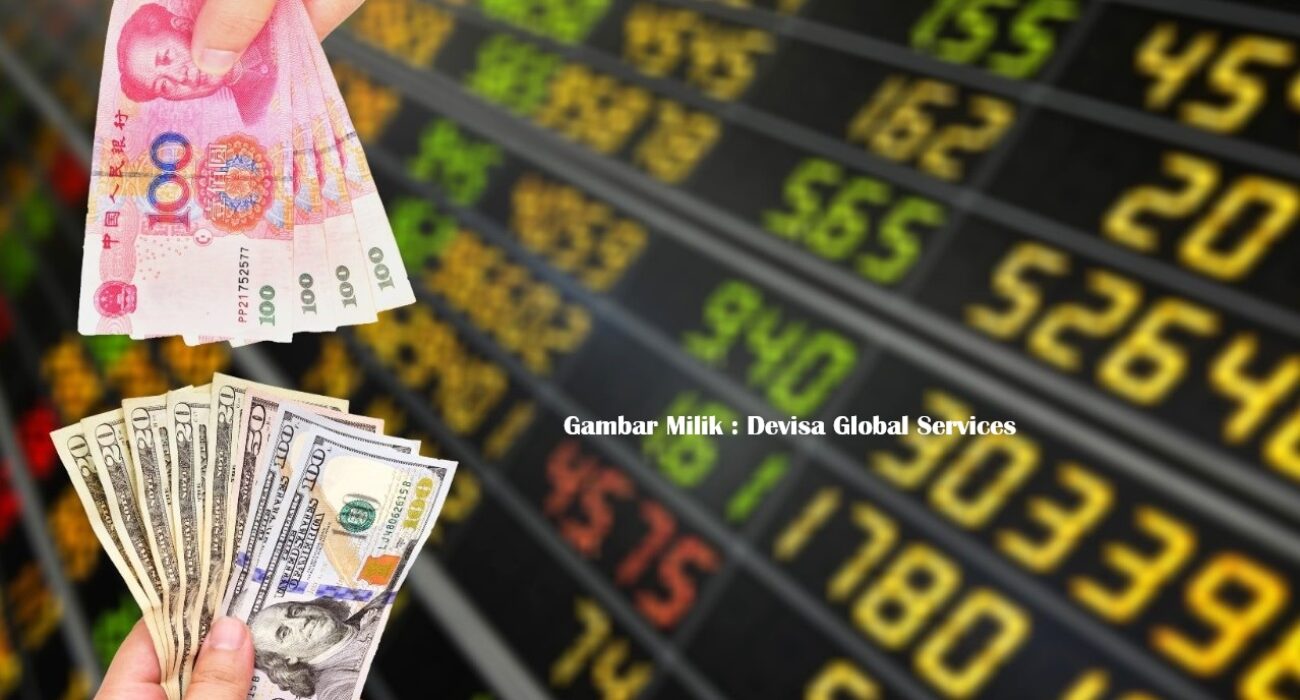
The Importance of Foreign Exchange Reserves in Supporting Sustainable Economic Development – Foreign exchange reserves refer to all assets or wealth held by a country in the form of foreign currency that can be used for international transactions. These reserves are typically generated through the export of goods and services, foreign investment, tourism, and remittances from workers abroad. In the context of the modern economy, foreign exchange reserves are a vital instrument that determines the stability and resilience of a country’s economy.
The primary role of foreign exchange reserves is as a means of international payment. A country needs foreign exchange reserves to finance imports of goods and services, repay foreign debt, and maintain the stability of its domestic currency’s exchange rate. Without adequate foreign exchange reserves, a country becomes vulnerable to global economic shocks.
Foreign Exchange as a Pillar of Economic Stability
Economic stability is highly dependent on the availability of foreign exchange. When foreign exchange reserves are strong, a country has greater capacity to stabilize its currency’s exchange rate in the global market. This is crucial for keeping inflation under control, particularly in countries heavily reliant on imports of raw materials and energy.
Furthermore, foreign exchange reserves also serve as a buffer during economic crises, such as when exports decline or there is a large outflow of foreign capital. They can be used to maintain a balance of payments balance. Thus, foreign exchange reserves act as an instrument to mitigate global economic risks.
Sources of a Country’s Foreign Exchange Reserves
Foreign exchange reserves do not materialize automatically, rather, they are generated through various economic activities. The main sources of foreign exchange include:
- Exports of Goods and Services : Exports are the most significant source of foreign exchange. Products such as agricultural commodities, mining products, manufactured goods, and digital services generate revenue in foreign currency.
- Foreign Investment : Foreign direct investment (FDI) provides an inflow of foreign exchange that helps finance infrastructure and industrial development.
- Tourism : The tourism sector also contributes significantly to foreign exchange earnings through spending by foreign tourists within the country, including on accommodation, transportation, and consumption.
- Workers’ Remittances : Workers employed abroad send money back to their home countries, which is also an important source of foreign exchange.
The Role of Foreign Exchange in Sustainable Economic Development
Sustainable economic development focuses not only on economic growth but also on social balance and environmental sustainability. Foreign exchange plays a crucial role in supporting these objectives. First, foreign exchange enables countries to import environmentally friendly technologies that promote energy efficiency and reduce carbon emissions. These technologies are essential for the transition to a green economy.
Second, foreign exchange strengthens the government’s ability to finance sustainable infrastructure development projects, such as public transportation, renewable energy, and waste management. Third, foreign exchange inflows from the sustainable tourism sector can promote environmental conservation and the preservation of local culture, as this sector relies on well-preserved natural and cultural attractions.
Challenges in Foreign Exchange Management
Although important, managing foreign exchange is not always easy. Some common challenges include fluctuations in global commodity prices, reliance on specific sectors, and instability in foreign capital flows. Furthermore, if foreign exchange earnings rely solely on extractive sectors such as mining, long-term sustainability may be at risk. Therefore, diversifying sources of foreign exchange is crucial for maintaining economic stability.
Strategies for Sustained Foreign Exchange Earnings Growth
To strengthen foreign exchange reserves, the government needs to promote an increase in high-value-added exports, rather than just raw materials. The development of the manufacturing and digital industries is key to this strategy. Additionally, improving the quality of human resources is essential so that the workforce can compete in the global market and generate greater remittances. Strengthening the sustainable tourism sector can also serve as a stable source of foreign exchange without harming the environment.
Conclusion
Foreign exchange plays a vital role in supporting sustainable economic development. It serves not only as a means of international payment but also as a pillar of economic stability, a source of development financing, and a driver of the green economic transition. With proper management and sustainable diversification strategies, foreign exchange can form a strong foundation for stable, inclusive, and environmentally friendly long-term economic growth.