



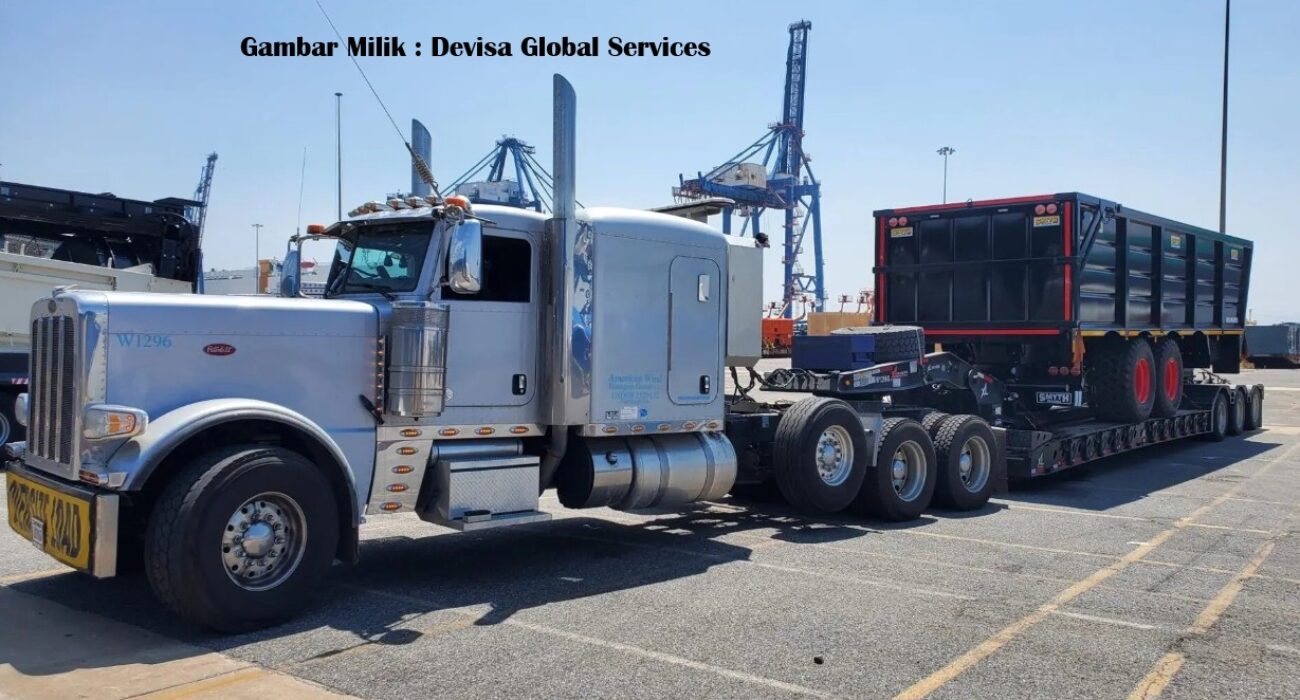
A Comprehensive Guide to Oversize and Overweight Permits for Transportation and Logistics Companies – In the transportation and logistics industry, shipping goods that exceed standard road dimensions or weight limits presents a unique challenge. Vehicles carrying oversized and overweight loads require special permits to ensure operations remain safe, legal, and do not disrupt other road users. This permit is known as an Oversize and Overweight Permit, often abbreviated as an OOG Permit.
For transportation and logistics companies, understanding the process of obtaining this permit is crucial to avoid risks such as legal violations, delivery delays, and financial losses. Therefore, every company needs to know the procedures, requirements, and benefits of obtaining this permit accurately.
Definition of an Oversize Overweight Permit
An Oversize Overweight Permit is an official permit granted to freight vehicles whose dimensions or weight exceed the standard limits set by the government. Goods such as heavy equipment, industrial machinery, steel structures, turbines, and components for large-scale projects typically require this permit before being shipped.
Oversized cargo refers to vehicles or goods that exceed standard dimensions, such as width, height, or length. Meanwhile, overweight cargo refers to cargo that exceeds the maximum weight capacity of the road or the vehicle. Without an official permit, vehicles may face penalties, fines, or even be stopped from operating on the road.
The Importance of Oversize and Overweight Permits
Many companies view permits merely as an administrative formality. In reality, these permits serve a critical function in modern logistics operations. First, permits ensure safety during transit. Vehicles carrying large loads pose a high risk of accidents if not subject to proper supervision and route planning.
Second, permits help companies comply with government regulations regarding vehicle dimension and weight limits. This compliance is essential for maintaining the company’s reputation in the eyes of both clients and authorities. Third, permits help the delivery process run more smoothly. With complete documentation, vehicles can pass road inspections without significant delays.
Permit Application Requirements
Each region typically has different regulations regarding the application for Oversize Overweight Permits. However, in general, there are several key documents that companies need to prepare, including:
- Vehicle information
- Details of the load’s dimensions and weight
- Waybill and shipping documents
- Travel route plan
- Company identification documents
- Transportation insurance
- Technical drawings of the cargo, if required
The government or relevant agencies will typically evaluate road and bridge conditions, as well as potential traffic disruptions, before issuing the permit.
Steps for Obtaining an Oversize/Overweight Permit
To ensure a smooth application process, companies need to understand the steps involved in a systematic manner.
-
Cargo Analysis
The first step is to accurately calculate the dimensions and weight of the cargo. Incorrect data can result in the permit being denied or issues during on-site inspections.
-
Route Determination
Companies must determine the safest route for heavy and large vehicles. Not all roads are suitable for transporting oversize or overweight cargo.
-
Document Submission
Once all data is complete, companies can submit the permit application to the relevant authorities. This process can be done in person or through digital systems in some regions.
-
Evaluation and Survey
Authorities typically conduct administrative reviews and on-site surveys to ensure the route is safe for use.
-
Permit Issuance
If all requirements are met, the permit will be issued with specific conditions, such as operating hours, speed limits, and the use of escort vehicles.
Challenges in Permit Processing
The process of obtaining Oversize Overweight Permits often faces various obstacles. One of them is the bureaucratic process, which can take a considerable amount of time. In addition, changes in regulations in each region can also affect the shipping process.
Another challenge is limited road infrastructure. Not all regions have access roads suitable for heavy-duty vehicles, so companies need to plan carefully. For this reason, many logistics companies now partner with professional permit processing services to make the process faster and more efficient.
Tips for More Effective Permit Processing
To ensure the process runs smoothly, companies should take the following steps:
- Ensure all cargo data is accurate
- Use a fleet that meets safety standards
- Conduct a route survey before shipment
- Apply for the permit well in advance of the shipment schedule
- Stay updated on the latest transportation regulations
With proper preparation, the risks of delays or violations can be minimized.