



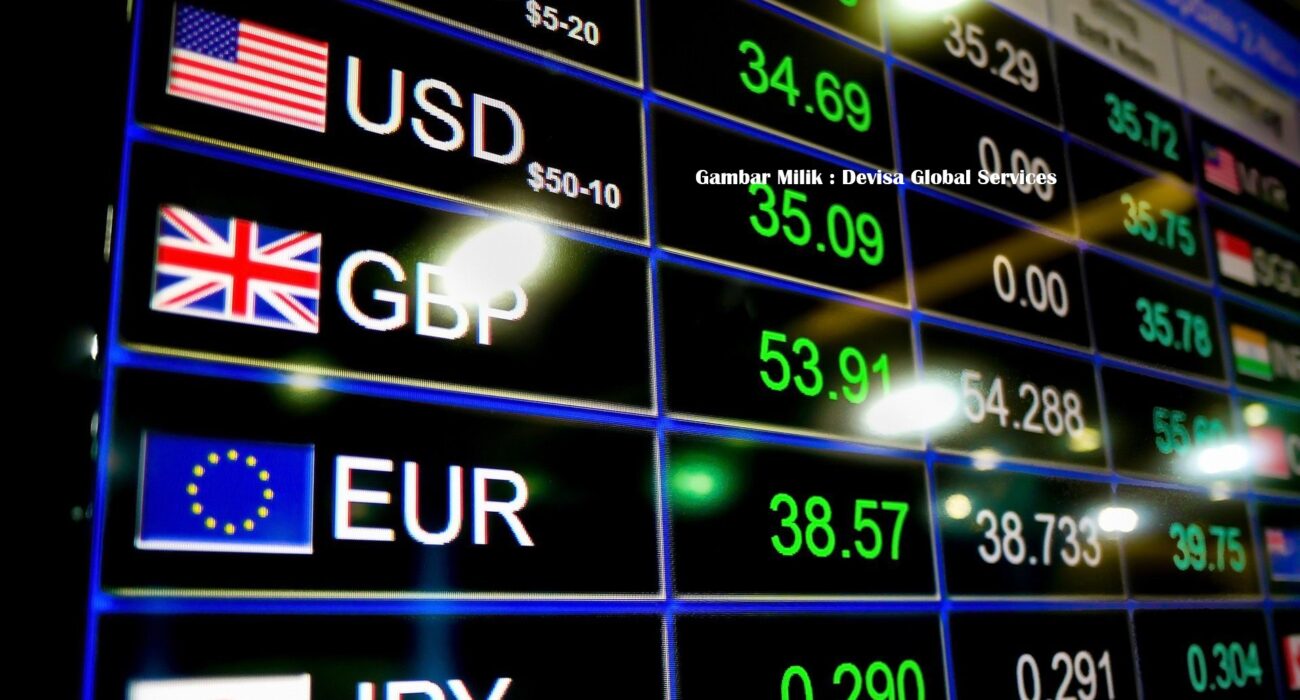
How Governments Increase National Foreign Exchange Reserves – Foreign exchange reserves, commonly known as forex reserves, are valuable assets held by a country’s central bank in foreign currencies, gold, and other internationally accepted financial instruments. These reserves play a crucial role in maintaining economic stability, supporting international trade, stabilizing exchange rates, and strengthening investor confidence.
Countries with healthy foreign exchange reserves are generally better prepared to handle financial crises, currency fluctuations, and external economic shocks. Therefore, governments around the world implement various strategies to increase and maintain their national foreign exchange reserves.
Promoting Exports
One of the most effective ways to increase foreign exchange reserves is by encouraging exports. When domestic companies sell goods and services to international markets, they receive payments in foreign currencies such as the US dollar, euro, or Japanese yen. These foreign currencies eventually contribute to the country’s foreign exchange reserves.
Governments often support exporters by providing tax incentives, improving infrastructure, reducing export barriers, and negotiating free trade agreements with other countries. Expanding export industries not only generate foreign exchange earnings but also create employment opportunities and stimulate economic growth.
Attracting Foreign Direct Investment (FDI)
Foreign Direct Investment (FDI) is another significant source of foreign exchange. FDI occurs when foreign companies invest in factories, businesses, infrastructure projects, or other economic sectors within a country. These investments bring capital inflows in foreign currencies, which strengthen national reserves.
To attract foreign investors, governments usually improve the business environment by simplifying regulations, offering tax incentives, protecting investor rights, and ensuring political and economic stability. Countries with transparent legal systems and reliable infrastructure are generally more successful in attracting long-term foreign investments.
Boosting Tourism
International tourism is an important contributor to foreign exchange earnings. When foreign tourists visit a country, they spend money on hotels, transportation, shopping, entertainment, and local attractions. Since these expenses are typically paid in foreign currencies or converted into local currency, tourism contributes directly to the country’s foreign exchange reserves.
Governments often promote tourism through international marketing campaigns, infrastructure development, visa facilitation, cultural festivals, and environmental conservation. A strong tourism industry not only generates foreign currency but also supports local businesses and employment.
Encouraging Overseas Remittances
Many countries receive substantial foreign exchange from citizens working abroad. These workers regularly send money back to their families through banks or authorized financial institutions. These financial transfers, known as remittances, become an important source of foreign currency.
Governments encourage remittances by improving banking services, reducing transfer fees, and promoting secure digital payment systems. In some developing countries, remittances represent one of the largest sources of foreign exchange, even exceeding export revenues.
Managing Exchange Rate Policies
Central banks play a vital role in managing exchange rates to protect and increase foreign exchange reserves. In some situations, governments intervene in currency markets by buying or selling foreign currencies to stabilize the value of the domestic currency. A stable exchange rate helps maintain investor confidence, supports international trade, and reduces the risk of excessive capital outflows. Effective monetary policies also help preserve the purchasing power of foreign exchange reserves over time.
Expanding International Trade Agreements
Governments frequently negotiate bilateral and multilateral trade agreements to increase market access for domestic products and services. Lower tariffs, simplified customs procedures, and improved trade cooperation encourage higher export volumes and greater foreign currency inflows. Participation in regional and international economic partnerships also strengthens business confidence and creates opportunities for domestic companies to compete in global markets.
Developing Competitive Industries
Building competitive industries enables countries to produce high-quality products that can compete internationally. Governments often invest in education, technological innovation, research and development, and industrial modernization to improve productivity.
Competitive manufacturing, agriculture, information technology, and service industries generate higher export revenues, leading to increased foreign exchange earnings. Diversifying export products also reduces dependence on a limited number of commodities and strengthens economic resilience.
Conclusion
Increasing national foreign exchange reserves requires a combination of effective economic policies and long-term development strategies. Promoting exports, attracting foreign direct investment, boosting tourism, encouraging overseas remittances, maintaining stable exchange rates, expanding international trade agreements, and developing competitive industries are among the most common approaches used by governments worldwide.
Strong foreign exchange reserves provide financial security, enhance economic stability, support international trade, and enhance a country’s ability to respond to global economic challenges. As the global economy becomes increasingly interconnected, maintaining adequate foreign exchange reserves remains a priority for governments seeking sustainable economic growth and prosperity.