



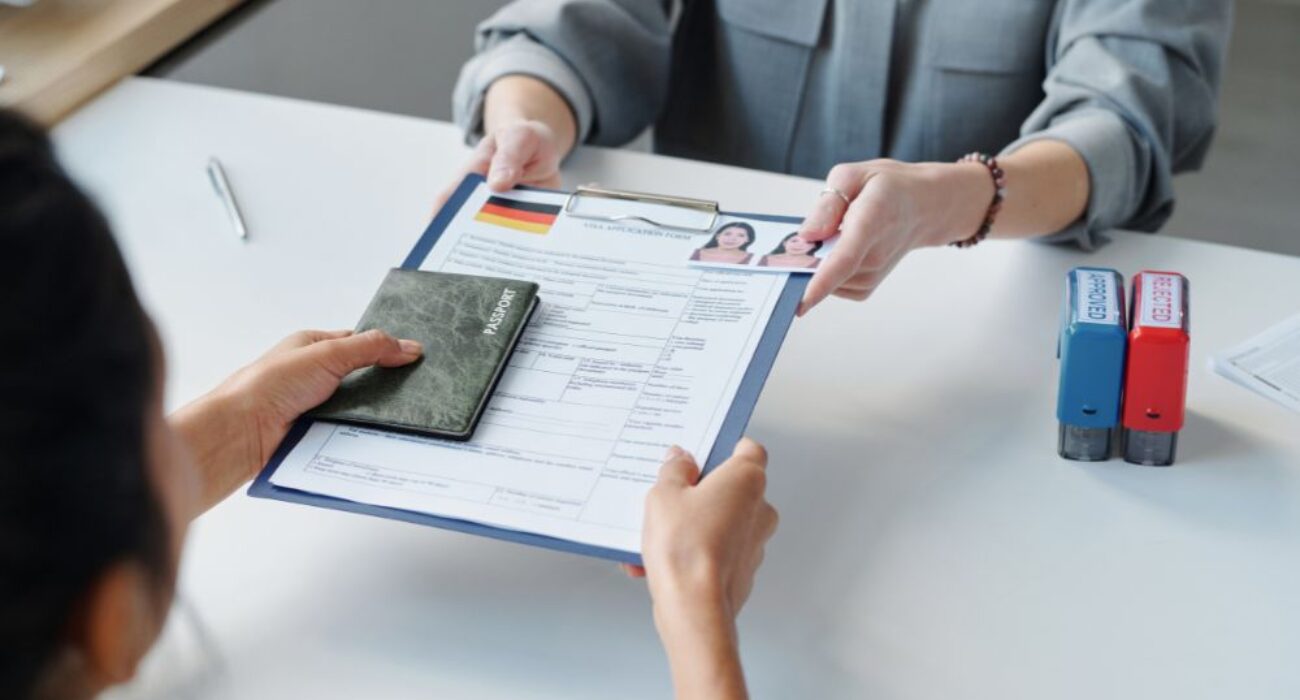
An Express Visa Service in Jakarta can help foreign investors prepare personal and company records through a structured, time-conscious workflow. Investor applications often depend on information held by several parties, including shareholders, directors, corporate administrators, overseas offices, and the individual applicant.
When these parties work from separate folders, inconsistencies can enter the file. An old company deed may contain different information from the latest amendment, while an investor’s passport renewal may not yet appear in supporting letters.
Express assistance should address these risks through early document mapping, focused reviews, and clear approval responsibilities. It cannot eliminate government requirements, guarantee acceptance, or control how quickly an authority reaches its decision.
Why Investor and Company Documents Must Work Together
An investor application connects a foreign national’s identity with their relationship to an Indonesian business. Personal records establish who the applicant is, while corporate documents explain the ownership, position, or investment basis behind the proposed activities.
The information should remain consistent across the full document set.
For example, the investor’s name should use the same spelling in the passport, company deed, shareholder list, and supporting letters. The person’s position should also reflect the company’s approved records.
When the company has completed an amendment, staff should determine which earlier records remain valid. Submitting old and new versions without explanation can make the file more difficult to understand.
How an Express Visa Service in Jakarta Begins an Investor Case
An Express Visa Service in Jakarta can start by mapping the applicant, company, objective, and intended timeline. This process establishes the administrative scope before detailed preparation begins.
An initial review may cover:
- Investor’s nationality
- Passport validity
- Shareholding position
- Management role
- Company’s legal name
- Business activities
- Registered address
- Investment structure
- Intended activities in Indonesia
- Proposed duration of stay
- Accompanying family members
- Existing corporate amendments
- Target application date
The consultant can then identify the records that directly support the case. This prevents the company from spending time collecting every file in its archive.
Creating an Investor Document Pack
A document pack is a controlled collection of the records required for a specific application. It should not contain unrelated drafts or expired documents.
The pack can use several sections.
Investor identity
This section may contain:
- Passport information
- Recent photographs
- Residential information
- Curriculum vitae
- Relevant financial evidence
- Civil records for eligible dependants
Ownership and management
These records may include:
- Shareholder information
- Company management structure
- Corporate resolutions
- Appointment documents
- Evidence of signing authority
Company establishment and licensing
The section may contain:
- Establishment deed
- Latest amendments
- Government approval or acknowledgement
- Business Identification Number
- Relevant business licences
- Registered address
- Tax information
Application and supporting records
This area can contain:
- Sponsor letters
- Application forms
- Authorisation documents
- Payment evidence
- Submission receipts
- Official correspondence
- Issued immigration documents
Separating these sections makes review and internal handover more manageable.
Building a Controlled Corporate Data Room
A corporate data room provides one secure location for the active investor file. It can reduce duplicate requests and prevent staff from working from attachments scattered across email and messaging applications.
The company should create folders with clear access permissions. Personal passport records should not automatically become available to everyone who can view general corporate documents.
A suitable structure may include:
- Personal records
- Company establishment
- Ownership and management
- Business licences
- Immigration forms
- Translation and authentication
- Submitted files
- Issued documents
- Superseded versions
The company should label the superseded folder clearly. Old documents may remain useful as historical records, but they should not appear in the active submission folder.
Using an Approval Matrix
Investor files may require decisions from directors, shareholders, human resources personnel, finance teams, or overseas headquarters. An approval matrix explains who can review and approve each document.
The matrix can record:
- Document name
- Preparer
- Technical reviewer
- Legal or corporate reviewer
- Authorised signatory
- Final approval date
- Current version
- Submission permission
This structure prevents a document from reaching the signing stage before the responsible team has approved its contents.
A backup signatory may also be useful when corporate rules allow one. However, the company must confirm that the person has the authority to sign the relevant record.
Assessing Document Readiness
An express process requires an honest assessment of document readiness. A short deadline does not make an incomplete file ready for submission.
Each record can receive one of four statuses:
- Ready: Current, complete, and approved
- Conditional: Available but awaiting a final check or signature
- Blocked: Depends on missing information or another document
- Unavailable: Not yet issued or provided
The case coordinator should prioritize blocked documents that affect several dependent records.
For example, an unresolved change in the investor’s position may affect a board resolution, sponsor letter, form, and company explanation. Finalising that information can release several documents at once.
Reviewing Corporate Information
A company review should compare the latest records rather than inspect each file separately.
Important details include:
- Registered company name
- Business address
- Establishment and amendment dates
- Shareholder names
- Shareholding proportions
- Director and commissioner information
- Authorised signatories
- Business activities
- Licensing information
- Investment details
Indonesia operates its risk-based business licensing system through the official Online Single Submission portal. The portal identifies the Business Identification Number, or NIB, as an official identity for starting or operating a business.
The company should confirm whether its records and licences reflect its current activities. Immigration assistance does not replace legal, tax, accounting, or specialised licensing advice.
Checking Investor Identity Information
The passport should act as the central source for the applicant’s name, nationality, date of birth, and travel document number.
A readiness review should confirm:
- Complete legal name
- Passport validity
- Passport number
- Nationality
- Date and place of birth
- Consistent signature
- Current residential details
- Position in the company
- Relationship to the sponsoring entity
If the investor recently renewed their passport, the company should check every active document for the previous passport number.
Name spelling can also require attention when corporate records use a transliteration different from the current passport. The applicant should not alter official records informally. Instead, the responsible parties should determine whether a correction or explanation is appropriate.
Coordinating Investor Immigration and Company Establishment
The investor’s immigration preparation may depend on company records that become available during or after establishment. Therefore, the two workstreams should follow a coordinated schedule.
Devisa Global Services offers investor visa and company establishment assistance for foreign investors who need support organizing these connected administrative matters.
The consultant can help map document dependencies and prepare the relevant immigration file. Matters requiring a formal legal opinion or regulated professional service may need support from another qualified adviser.
Preparing Family Documents
An investor may plan to reside in Indonesia with eligible family members. Their files can involve passports, birth certificates, marriage certificates, photographs, and other evidence of the family relationship.
Civil records issued overseas may require a sworn translation or authentication. Applicants should confirm the procedure before processing the documents.
Family files should remain separate from the investor’s corporate section. This protects personal information and makes it easier to identify which documents support each applicant.
Devisa provides stay permit assistance for relevant investor and dependant cases.
Managing Translation and Authentication
Company resolutions, powers of attorney, civil certificates, and other overseas documents may require preparation for official use.
Before arranging a sworn translation, confirm:
- The final source document
- Required target language
- Accepted translation format
- Treatment of names and corporate terms
- Number of required copies
- Whether authentication is also necessary
Translation and authentication are different procedures. A sworn translation presents the content in another language, while legalisation or an apostille concerns the document’s formal origin.
Devisa offers sworn translation services for immigration, corporate, academic, and legal records.
Protecting Confidential Investor Information
Investor files may disclose passport details, ownership percentages, financial information, signatures, and internal company decisions. The express nature of the service should not weaken security controls.
The company should establish:
- Restricted data-room access
- Secure sharing links
- Expiration dates for external access
- A record of original-document transfers
- Separate folders for personal and corporate files
- Clear ownership of every document
- Removal of unnecessary duplicates
- Controlled access for external consultants
- Secure archiving after completion
Urgency should never justify sending sensitive documents to unidentified accounts or unrestricted public links.
Express Preparation Versus Official Processing
An Express Visa Service in Jakarta may complete its own review and coordination quickly. However, this does not mean that the government will provide an express decision.
Official processing can depend on:
- Completeness of the application
- Verification requirements
- Government system availability
- Additional document requests
- Applicant eligibility
- Appointment schedules
- Current workload
- Applicable regulations
A responsible provider should distinguish between its internal service target and the authority’s processing period.
Selecting an Express Service Responsibly
Investors should assess more than the advertised speed. Before appointing a provider, ask:
- When will the initial assessment begin?
- What documents create the critical path?
- Which services does the express fee include?
- Are official charges shown separately?
- How will progress be reported?
- Who will handle confidential records?
- Can the service coordinate translation?
- What happens if a document is unavailable?
- Does the provider promise guaranteed approval?
A realistic consultant will explain when the requested deadline is not feasible.
Investor Assistance from Devisa Global Services
Foreign investors searching for an Express Visa Service in Jakarta can consider Devisa Global Services for investor immigration and company-document administration.
The independent private consultancy assists with investor visa preparation, company establishment, stay permits, sworn translation, and related formalities. Prospective clients can review Devisa’s visa consultation and application assistance or submit an enquiry through its official website.
Devisa Global Services is not an immigration office, investment authority, embassy, or document-issuing institution. Government agencies retain complete authority over requirements, verification, processing, approval, and official issuance.