



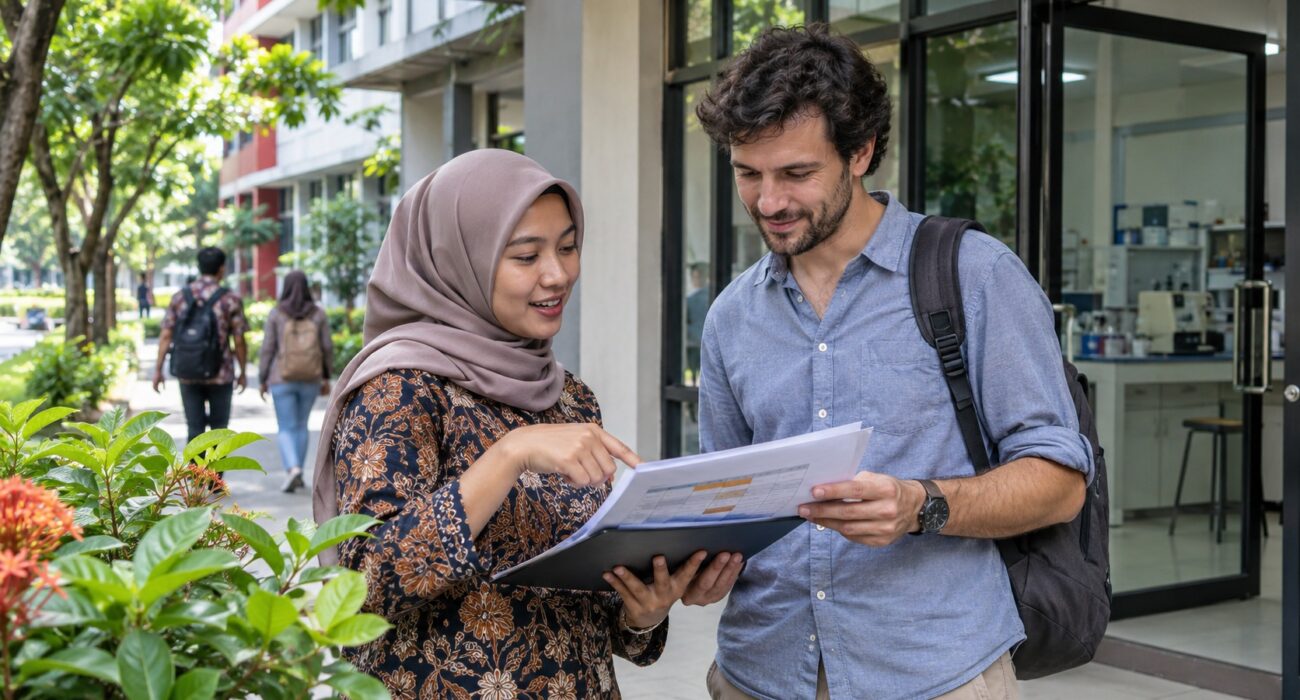
Two visitors are coming to a West Jakarta university. One will speak at a seminar and tour a laboratory. The other will spend several weeks collecting material and working with the local research team. The university can confirm both invitations, but the visa review depends on what each visitor will do. Ask the host for a practical schedule before preparing supporting documents.
Academic departments often plan visits through emails that emphasize the purpose of the collaboration. For an immigration review, the host should specify the sites the visitor will attend, the work they will perform, who will supervise it, and whether another institution is involved. A visa service in West Jakarta can use those details to help the host identify the official category and document requirements to check.
Start with the activity and the place where it happens
Give each visitor a separate itinerary. For a seminar guest, describe the event, the person’s role and any other engagements. For the researcher, include the duration, locations, proposed methods and supervision. Identify any planned field trips, interviews, sample collection or equipment use. If the visit includes an activity at another institution, ask that institution to confirm what it is hosting.
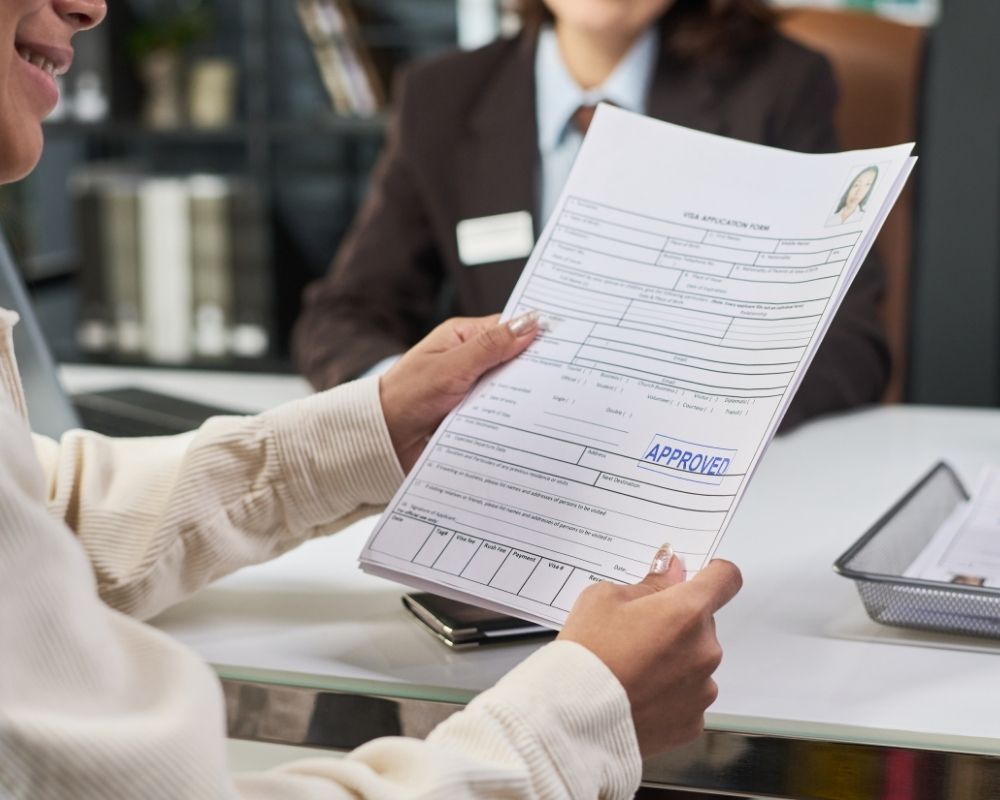
Ask who will take responsibility for the visitor’s programme in Indonesia. This may be the academic coordinator who can describe the work and a separate administrative contact who can arrange formal documents. Put both names on the working file. If the researcher needs other approvals for the proposed activity, ask the host to identify the responsible institution and the evidence the immigration reviewer may need. Indonesia’s visa directory and Immigration’s research guidance are starting points for checking the applicable route. Indonesian visa directory · Immigration research and training guidance
An internship needs the same care. Find out whether it is tied to an academic requirement, what the person will do, where it will take place and which institution or company has agreed to host it. Check the official category description and any requirements for an internship agreement or statement before requesting a letter. If the visitor’s duties change from observation to an active placement, take the revised plan back to the reviewer.
Make the invitation agree with the working schedule
The invitation, schedule and institutional agreement should describe the same programme. Check the dates, site names and the language used to describe the visitor’s role. For example, an invitation may say a visitor will attend meetings while the research plan includes two weeks of fieldwork. Ask the host to clarify the activities in the application documents so the reviewer can understand the full itinerary.
Give the department a draft to check before a senior official signs it. The coordinator can verify the academic details, while the filing team can confirm which items are required for the application. If an institution provides a separate authorization, record which activities and dates it covers. The host can then answer a question about the schedule without asking the visitor to reconstruct how the programme was approved.
Handle itinerary changes before the visitor acts on them
A laboratory booking may shift or a partner may offer access to another site. When something changes, send the coordinator the updated schedule and ask who will confirm whether the change affects the immigration file or any other approval. Keep a copy of the original plan and note when the new information was received. This is especially useful when a visit is arranged over several months and different teams handle the invitation, the application and the day-to-day programme.
Before the visitor travels, give them a contact at the host institution and a clear statement of the activities the host has arranged. If they receive a new request on site, they’ll know who can check it. Have the team responsible for the filing keep the submitted letter and supporting records accessible in case someone needs to verify what the application covered.
For recurring visits, reuse the department’s contact information and approval process. Prepare each itinerary from the current programme. A fresh schedule saves the next reviewer from guessing which details in a previous visitor’s letter still apply.
Send Devisa Global Services the proposed activities and host institution if you’re preparing for a seminar, internship or research visit. Tell us where the activities will take place, how long they will run and which documents the host can provide. We can help you prepare for the visa review using the information for each visitor.