



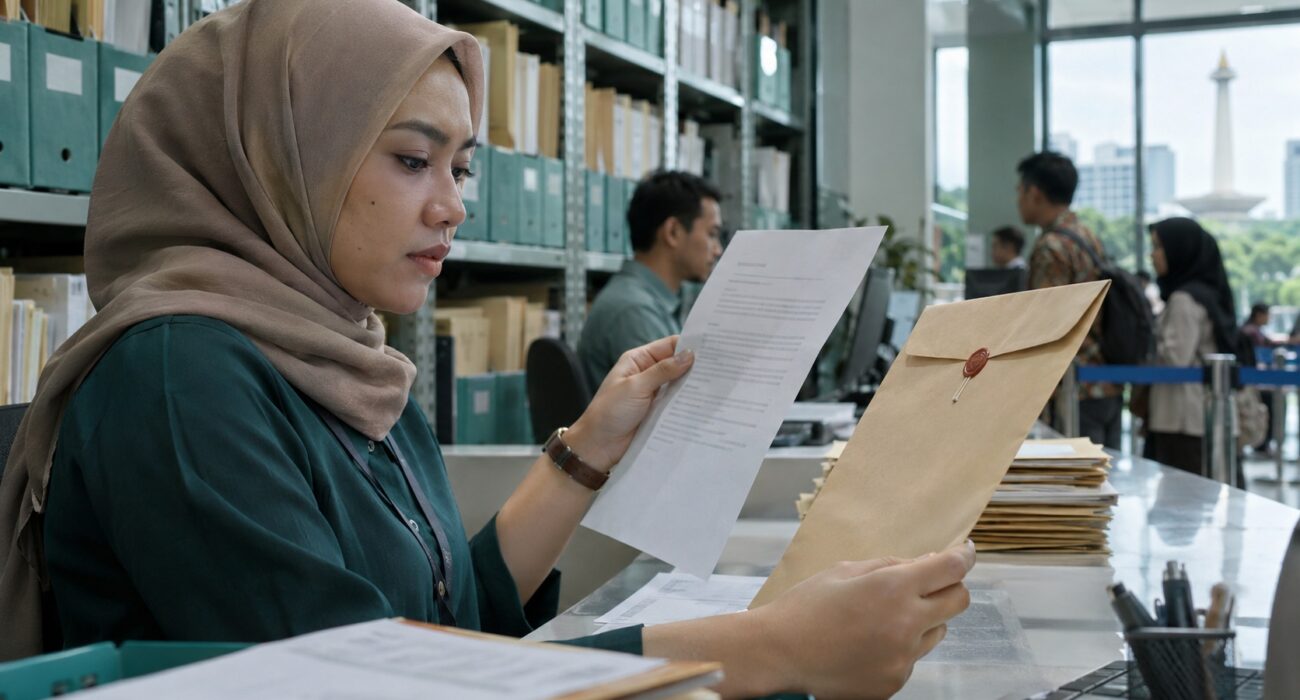
An overseas employer sends a short request for a legalized copy of the applicant’s degree. The applicant orders a translation and sends a scan. A week later, the screening team says it also needs the transcript and will accept it only if the university sends it directly. The applicant now has two jobs to do, and the deadline is the same. A short conversation with the receiving institution could have established both requirements before the first order went out.
That’s often where a visa application service in Jakarta can help with paperwork beyond travel. The work starts by clarifying who will use the document and for what purpose. A qualification check, a business filing and a bank’s internal review can each come with different instructions. Before requesting a copy, set out the recipient’s requirements in terms the issuer, translator or certification provider can follow.
Turn a vague request into specific instructions
Reply with the document name, issuing country and intended use. Ask what the institution means by a legalized copy. Does it want an original public document, a copy certified by a particular body, a scan of the authenticated original, or a record sent directly by the issuer? If the instruction mentions an official translation, ask which language and who can prepare it. Request a written reply so the people handling the work can refer to the same instructions.
Take a company document going to a bank and a corporate filing team overseas. The bank may need evidence that a named person can sign for the company. The filing team may have a separate checklist for the company record. Give each recipient the name of the document you have and ask whether it answers the question they need to resolve. If the bank needs a signing authorization, find out what it will accept before spending time on additional copies of a record that proves a different fact.
Once the recipient answers, capture the required document, sender, delivery method and deadline. Include any reference number that must accompany a direct submission. A university records office may need that number to match a transcript to the right application.
Confirm the order of authentication and translation
Where the Apostille Convention applies, an apostille authenticates the origin of a public document. It certifies details such as the signature and the capacity of the person who signed it. The receiving institution can have separate requirements for the document’s content, language and format. Check the country where the document originated, the destination, and the instructions of the designated authority before choosing a route. For a privately signed document, ask whether the recipient expects a public certification before authentication can be arranged. HCCH Apostille guidance
Then ask the recipient how it wants the translation handled. It might need the public document and its authentication certificate translated together, or it might have directions for submitting the translation separately. Share those details with the translator. Check the spelling of names, institutional titles and any identifying references against the accepted source version. If a document uses a former name, ask the reviewer what evidence they accept to connect it to the applicant’s current name.
Keep the original, authenticated version and translation together as a set. Label it with the recipient and date. This makes it easier to answer a follow-up about which copy was sent and helps prevent the team from sending a translation prepared against an earlier version.
Work backward from the date of receipt
The deadline on a form may be the date the reviewer must receive the records. If the issuer will send them directly, ask how long it takes to prepare the record and whether the recipient provides a way to confirm delivery. For physical documents, find out which originals need to be returned and who will keep them between appointments. Give each item a separate delivery estimate so a delay with one document is visible early.
If the recipient changes the instructions, share the updated message with everyone working on that item. Explain which requests are already underway and ask which version the recipient wants you to finish. This is particularly useful when a translator has started work while an institution is preparing a replacement copy.
For an employment, study or corporate submission, send Devisa Global Services the recipient’s written instructions. Include the issuing country, destination and deadline. We can help review the request and identify the documents and confirmations you’ll need to arrange.