



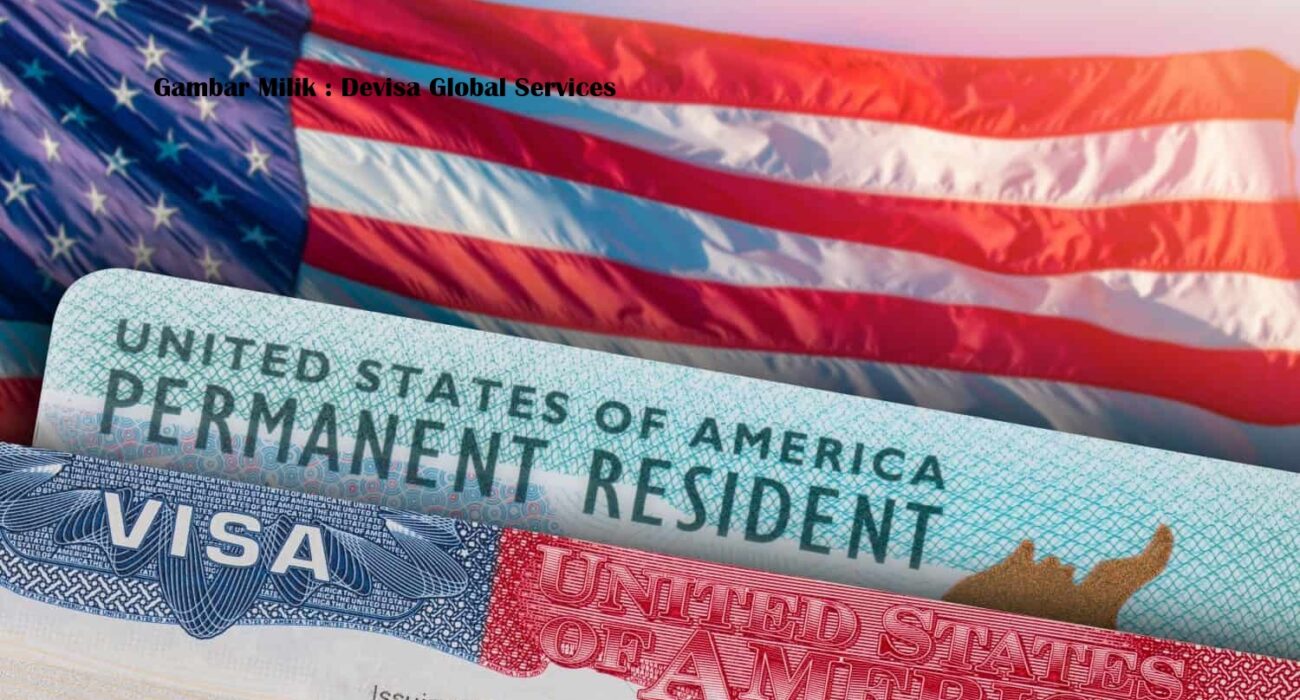
US Suspends Immigrant Visa Processing for 75 Countries from January 21, 2026 – The United States government announced that immigrant visa processing will be suspended for citizens of 75 countries beginning January 21, 2026. The policy was revealed by the U.S. Department of State in early January as part of a major review of immigration procedures.
The decision applies only to immigrant visas, which lead to permanent residency (green cards), and does not affect non‑immigrant visas such as tourist, student, or temporary work visas.
Background and Policy Goals
Officials explained that the suspension is intended to improve immigrant screening under the so‑called “public charge” rule. A long‑standing part of U.S. immigration law. Under this rule, consular officers assess whether visa applicants might become dependent on government welfare programs after arrival in the United States. The Biden administration’s immigration policy was already focused on stricter vetting, and the new measure expands that effort globally.
According to the State Department, immigrant visa processing for the listed countries will be paused until the government can ensure that future immigrants will not rely on public assistance or extract taxpayer‑funded benefits. This review process will take place at U.S. embassies and consulates abroad. Nationals of these countries will continue to be able to submit applications and attend interviews. But immigrant visas will not be issued while the suspension remains in place.
Countries Affected
The list of 75 countries spans several world regions, including Africa, Asia, the Middle East, Latin America, and Eastern Europe. Some of the nations affected are Afghanistan, Bangladesh, Brazil, Egypt, Iran, Iraq, Nigeria, Pakistan, Russia, and Thailand. Several Caribbean and Central American countries such as Haiti, Colombia, and Guatemala are also included.
China and India are notable among major economies not included on the list, despite high migration volumes to the United States. Analysts suggest this may reflect broader diplomatic and economic considerations.
What is and Isn’t Affected
Under the announcement, immigrant visa processing at U.S. consulates and embassies abroad will stop for the 75 listed countries beginning January 21, 2026. This includes family‑based visas (for spouses, children, and relatives). Employment‑based visas that lead to permanent residency, and diversity lottery visas. However, non‑immigrant visas will continue to be processed.
Students seeking F‑1 visas, tourists applying for B‑1/B‑2 visas, and temporary professional workers under H‑1B or L‑1 categories are unaffected. Visa issuance for these categories will proceed under normal procedures.
Existing immigrant visas that have already been issued and physically printed will not be revoked, though those that were approved but not yet printed may be refused based on the new guidance. Dual nationals may still be eligible for immigrant visas if they use passports from countries not included on the suspension list.
Reactions and Impacts
The decision has drawn mixed reactions globally. Supporters argue that the suspension will help ensure that the U.S. immigration system selects individuals who are economically self‑sufficient and less likely to burden public services. They view the action as a necessary step to strengthen national policy and protect taxpayers.
Critics, including immigrant rights advocates, describe the suspension as broad and unprecedented in its scale. Many say it effectively halts legal immigration pathways for thousands of individuals each year. Especially for family reunification and employment‑based permanent residency. Some critics also highlight concerns about fairness and diplomatic relations with affected nations.
For families awaiting immigrant visa approval, the suspension introduces uncertainty and long delays. Applicants from affected countries may wait months or even years before new visa eligibility standards are clarified and resumed. Meanwhile, visa interview appointments will continue, but no immigrant visas will be issued during the pause.
Looking Ahead
No formal end date for the suspension has been announced. U.S. authorities have indicated that the review will continue indefinitely, pending updated vetting procedures. The policy is part of a larger shift in U.S. immigration strategy aimed at balancing border control, economic needs, and social welfare policy considerations.