



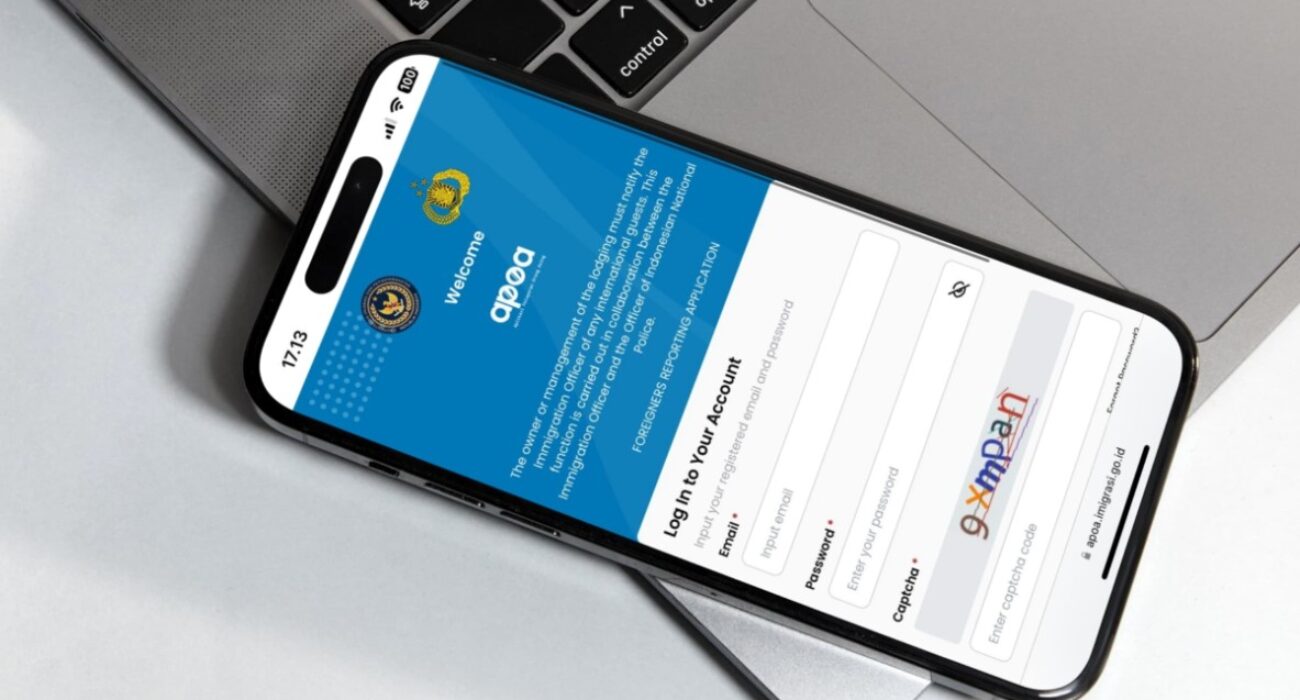
The Importance of Reporting Foreign Guests Through Indonesia’s APOA System – Indonesia has continued to modernize its immigration monitoring system in response to increasing international mobility and tourism activities. One of the latest initiatives introduced by the Directorate General of Immigration is the implementation of the Foreigners Reporting Application, widely known as APOA. The system was designed to help accommodation providers report foreign guests staying at their properties in a faster and more efficient way.
According to the Directorate General of Immigration, the application supports immigration supervision while encouraging compliance with Indonesian immigration regulations. The Indonesian government believes that effective immigration supervision requires cooperation between authorities and the public, especially businesses involved in accommodation services.
Hotels, villas, guest houses, apartments, homestays, and other lodging providers are now expected to report the presence of foreign nationals through the APOA platform. By doing so, immigration officers can access updated guest information for monitoring and verification purposes.
What Is APOA?
APOA stands for “Aplikasi Pelaporan Orang Asing” or Foreigners Reporting Application. The digital platform was developed by Indonesia’s Directorate General of Immigration to simplify the reporting process for accommodation providers. Previously, property owners often had to report foreign guests manually to immigration offices, which could be time-consuming and inefficient. Through APOA, all reporting activities can now be completed online in a more integrated system.
The application allows accommodation managers to register foreign guests by entering their personal information and uploading passport details directly into the system. Immigration officers can then access the data in real time for supervision purposes. The platform is also connected with law enforcement coordination efforts involving the Indonesian National Police.
Legal Basis Behind the Reporting Requirement
The obligation to report foreign guests is regulated under Indonesia’s Immigration Law Number 6 of 2011 and its updated provisions. Article 72 clearly states that accommodation owners or managers must provide information about foreign nationals staying at their properties when requested by immigration officers. Failure to comply with this obligation may result in legal consequences, including fines or imprisonment.
According to official immigration statements, accommodation providers who fail to report foreign guests may face criminal sanctions of up to three months imprisonment or fines reaching Rp25 million. These regulations demonstrate how seriously the Indonesian government views immigration supervision and foreign visitor monitoring.
How the APOA System Works
The process of reporting guests through APOA is relatively simple. Accommodation managers first log into the APOA system using their registered account. After that, they collect the passport information of the foreign guest and upload the passport’s identity page into the application.
The system then verifies the data before storing it in the immigration database. The online system provides several advantages compared to manual reporting methods. First, it improves efficiency because property owners no longer need to visit immigration offices directly. Second, immigration authorities receive real-time information, allowing them to respond quickly if any immigration violations occur. Finally, the digital process minimizes administrative errors and improves data accuracy.
Supporting National Security and Public Order
Indonesia is one of the world’s most popular tourist destinations, attracting millions of foreign visitors every year. With such a large number of international travelers entering the country, immigration supervision becomes increasingly important. The APOA system helps authorities identify overstays, unauthorized employment, and other immigration violations more effectively. The government also sees APOA as an important tool for maintaining public order and national security.
By having updated information about the location and activities of foreign nationals, authorities can improve coordination in emergency situations or investigations involving immigration matters. The integration of technology into immigration monitoring reflects Indonesia’s effort to create a safer and more transparent immigration system.
Benefits for Foreign Nationals and Accommodation Providers
The APOA system does not only benefit immigration authorities. Foreign nationals also gain advantages from proper reporting because accurate records can help avoid misunderstandings related to visa status or stay permits. In addition, accommodation providers can demonstrate compliance with Indonesian regulations and avoid potential legal penalties.
For businesses in the tourism and hospitality sector, compliance with immigration rules is becoming an essential part of professional operations. By reporting foreign guests responsibly, accommodation providers contribute to a more organized and secure environment for both local communities and international visitors.