



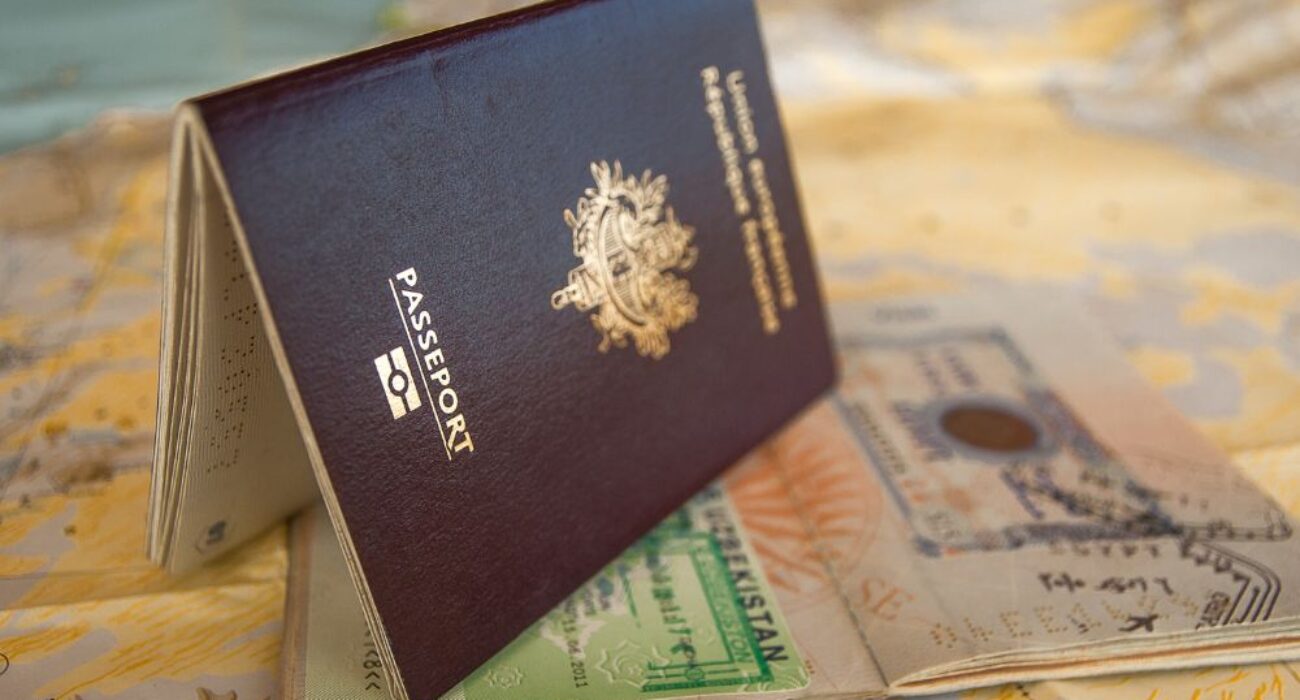
An Urgent Visa Service in Jakarta can help companies manage cross-border business documents when a meeting, project, corporate transaction, or overseas assignment creates a short preparation window. The service may organize the available records, identify missing items, and prioritize tasks according to their dependencies.
Urgency does not remove official requirements. It also does not give a private consultant control over an embassy, immigration authority, government portal, or document-issuing institution.
Responsible urgent assistance focuses on actions that can be completed more efficiently. These actions include document triage, rapid consistency checks, translation coordination, authentication planning, and clear communication between parties in different countries.
Why Cross-Border Business Documents Become Urgent
International business activities often involve several organizations and decision-makers. A Jakarta office may need information from an overseas parent company, foreign director, business partner, or event organizer.
A short deadline may arise when:
- A meeting date changes.
- A director must travel to sign an agreement.
- An overseas client requests additional documents.
- A company confirms an assignment later than expected.
- An applicant discovers an expiring passport.
- A foreign-language document needs translation.
- A receiving authority requests authentication.
- A visa application requires further clarification.
- An original document remains in another country.
- A corporate record has recently been amended.
The company should first identify the actual deadline and its source. An internal target date may allow more flexibility than an official submission cut-off.
How an Urgent Visa Service in Jakarta Starts the Process
An Urgent Visa Service in Jakarta should begin with a rapid case assessment. The objective is to determine what must happen immediately and what can wait.
The applicant or company should provide:
- Destination country
- Purpose of travel
- Planned departure date
- Passport details and validity
- Applicant’s position
- Host organization
- Available invitation
- Company supporting documents
- Existing translations
- Required authentication
- Official instructions
- Known submission deadline
The consultant can then classify each requirement according to urgency and readiness.
This approach is more effective than requesting every corporate document before identifying which records actually support the application.
Using Document Triage for Urgent Business Cases
Document triage divides the file into clear action groups.
Ready for review
These records are available, readable, current, and signed where necessary. They may still require a final consistency check.
Requires correction
The document contains incomplete information, inconsistent dates, an outdated passport number, or another problem that the company can resolve.
Requires external processing
A translator, notary, government authority, university, overseas office, or another third party must act before the document becomes ready.
Missing but essential
The application cannot progress without this record. The case coordinator should immediately identify who must provide it.
Useful but not currently required
These documents may support the company’s internal archive but do not affect the immediate application stage.
Triage allows the team to focus its time on genuine blockers.
Establishing the Cross-Border Critical Path
A critical path shows which task must finish before another can begin. Understanding this sequence is especially important when documents move between countries.
For example, a company may need to finalise a board resolution before arranging its translation. The translated record may then require authentication before the receiving institution accepts it.
If the source document changes after translation, the company may need to repeat several steps. Therefore, starting every task immediately does not always save time.
A cross-border critical path should identify:
- The final source document
- The person authorised to approve it
- Any signature or certification requirement
- The translation stage
- The authentication procedure
- Physical or electronic delivery
- Final submission
- Evidence of receipt
Each participant should understand where their task appears in this sequence.
Business Documents Commonly Involved
The required records depend on the destination and purpose of travel. A short corporate visit may involve different evidence from an employment assignment or investment activity.
Possible business documents include:
- Invitation letter
- Employer support letter
- Meeting agenda
- Conference registration
- Company profile
- Business Identification Number
- Corporate deed
- Board resolution
- Power of attorney
- Proof of commercial relationship
- Assignment letter
- Employment confirmation
- Financial support statement
- Accommodation information
The company should submit only relevant documents in the required format. A large volume of unrelated material does not necessarily strengthen an application.
Checking the Purpose of Business Travel
A business visitor and a foreign worker may perform different activities under immigration rules. Attending a meeting does not automatically provide permission to undertake local employment.
The company should describe the intended activities accurately. The invitation, employer letter, agenda, and application form should communicate the same purpose.
If the traveller plans to perform work or remain for an extended assignment, the company should determine whether another immigration and employment route applies.
Devisa Global Services provides visa consultation and application assistance for individuals and businesses that need help assessing and preparing their administrative files.
Coordinating Parties Across Different Time Zones
Urgent cases can lose an entire working day when participants do not consider time-zone differences. A request sent at the end of the Jakarta business day may reach an overseas director after their office has closed.
The case coordinator should identify:
- Location of each responsible person
- Local working hours
- Earliest approval time
- Signature requirements
- Backup authorised signatory
- Preferred communication channel
- Secure file-transfer method
- Final daily cut-off
Questions should be grouped whenever possible. Sending several separate requests increases the chance that one item will be overlooked.
A written summary of decisions also helps prevent conflicting instructions across offices.
Sworn Translation Under a Short Deadline
Foreign-language records may require a sworn translation for official use. Urgency should not remove the quality-control stage.
The applicant should provide the complete and final source document. The translator may also need guidance on the established spelling of names, company terminology, and technical positions.
Before translation begins, confirm:
- Target language
- Number of pages
- Treatment of stamps and seals
- Required output format
- Need for printed copies
- Delivery destination
- Whether authentication follows translation
- Submission deadline
Devisa offers sworn translation services for business, immigration, academic, and legal documents.
Authentication and Apostille Planning
A document intended for use in another country may require authentication. However, not every destination or document follows the same process.
Indonesia’s Directorate General of General Legal Administration provides an official Apostille service for eligible public documents intended for use in participating jurisdictions.
An apostille verifies matters such as the signature, official seal, position, and issuing institution. It does not replace translation and does not confirm every statement contained in the document.
In urgent cases, applicants should establish:
- Whether an apostille applies
- Whether the document type is eligible
- Which official signed the document
- Whether earlier certification is necessary
- Whether the destination accepts the procedure
- Where the completed certificate must go
A private consultant may help organize the application, but only the competent authority can complete official authentication.
Managing Electronic and Physical Documents
Some procedures accept electronic files, while others require original documents or printed certificates. Companies should identify the format before arranging delivery.
For physical records, the handover log can include:
- Document name
- Number of pages
- Owner
- Person releasing the document
- Recipient
- Date and time
- Delivery service
- Tracking reference
- Expected return
- Current location
Original passports and corporate records require particular care. Companies should not send them without confirming why the original is necessary and how it will be protected.
Preventing Urgency from Creating Errors
Time pressure can encourage teams to skip basic checks. This often creates more delay when an authority or receiving institution identifies a discrepancy.
Before submission, compare:
- Applicant’s full name
- Passport number
- Nationality
- Position
- Employer
- Host organization
- Travel purpose
- Meeting or assignment dates
- Destination
- Person signing the company letter
- Company address
- Contact information contained in supporting documents
The reviewer should also confirm that all pages are readable and correctly oriented. Signatures and official seals should remain visible.
Planning for Additional Requests
An authority may ask for another document or clarification. An urgent service should prepare a response process before this happens.
The company can appoint:
- One case coordinator
- One authorised company signatory
- One contact for overseas documents
- One person responsible for the traveller’s records
- One secure communication channel
- One location for the active case file
When a request arrives, the coordinator should record its wording, deadline, responsible person, and submission method. Sending unrelated documents can create confusion rather than resolve the request.
What an Urgent Service Cannot Promise
An Urgent Visa Service in Jakarta can prioritize preparation but cannot promise an immediate government decision.
Applicants should be cautious of providers that claim they can:
- Guarantee approval
- Bypass mandatory verification
- Control an embassy’s schedule
- Ignore document requirements
- Use inaccurate information
- Produce official records without an authorised issuer
- Provide unrestricted access to government officers
A legitimate provider should explain which deadlines it can manage and which stages remain outside its control.
Selecting Urgent Administrative Assistance
A company should evaluate more than the advertised turnaround time. It should review the provider’s experience, responsiveness, transparency, and document-security practices.
Important questions include:
- When will the initial review begin?
- Which documents create the critical path?
- What does the urgent service fee cover?
- Are official and third-party charges separate?
- Can the provider coordinate translation?
- How are original documents protected?
- How often will the company receive updates?
- What happens if the deadline is not feasible?
- Which government authority controls the decision?
A responsible provider should give an honest feasibility assessment before accepting the urgent case.
Cross-Border Document Support from Devisa Global Services
Companies looking for an Urgent Visa Service in Jakarta can consider Devisa Global Services for business visa preparation and cross-border document administration.
The independent private consultancy assists with visa applications, corporate supporting records, sworn translations, document legalisation preparation, and related immigration formalities. Companies can submit an enquiry through the official Devisa Global Services website.
Devisa Global Services does not act as an embassy, immigration office, apostille authority, or other government institution. Official bodies remain solely responsible for requirements, verification, processing times, approval, and document issuance.