



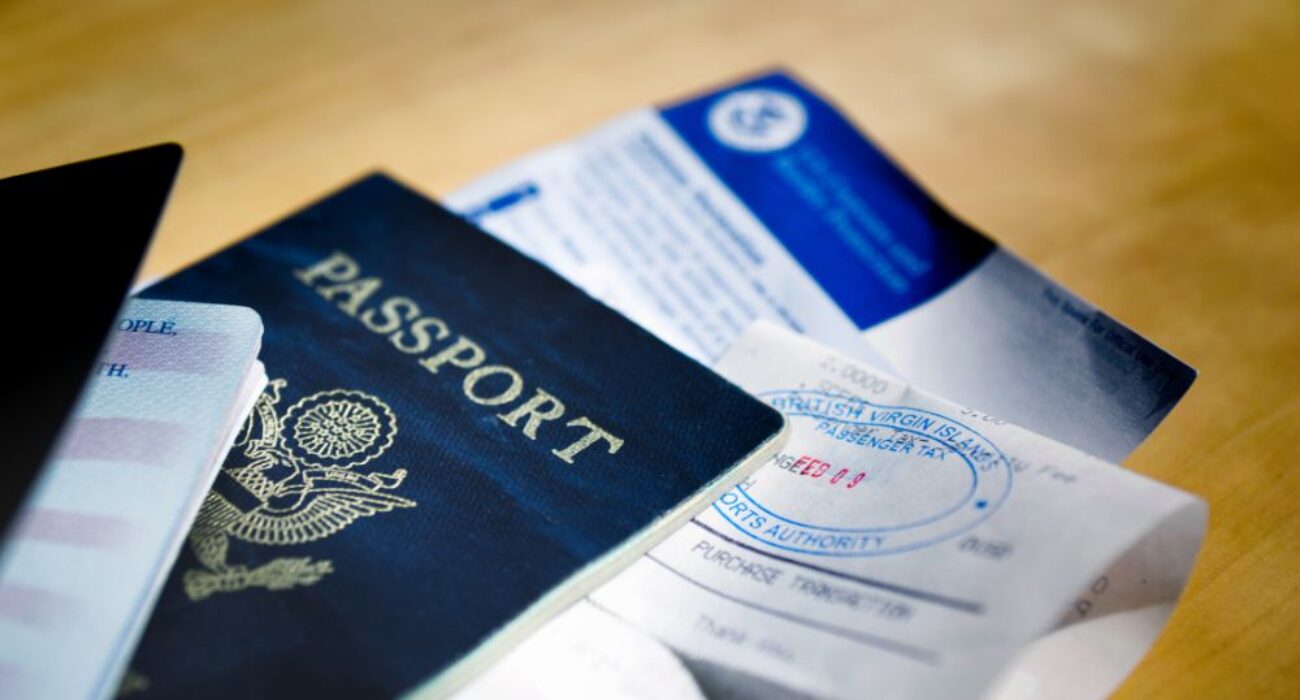
A Visa Application Agent can help individuals and companies prepare documents for international activities that do not involve tourism. Employment, education, investment, business assignments, family residence, and official document use often require more detailed evidence than an ordinary holiday application.
Each purpose has its own supporting records. A prospective employee may need qualifications and an employment contract, while an investor could require documents connecting their identity to a company. Students, dependants, and business visitors also follow different administrative routes.
Professional assistance can help applicants classify, review, and prepare these records. However, a private agent cannot determine eligibility, guarantee approval, or issue visas and other official documents.
Why Non-Tourism Applications Need More Preparation
A tourism application usually focuses on a temporary visit. By contrast, a non-tourism case may give the applicant permission to perform a specific activity or remain in another country for a longer period.
The application may involve several parties, such as:
- An overseas employer
- A sponsoring company
- A university or training institution
- A business partner
- An investor’s company
- A spouse or family member
- A professional licensing body
- A government authority
Information supplied by these parties should correspond with the applicant’s personal records. Differences in names, positions, dates, or addresses may lead to requests for clarification.
Applicants should therefore begin with the purpose of the application rather than collecting every document they own.
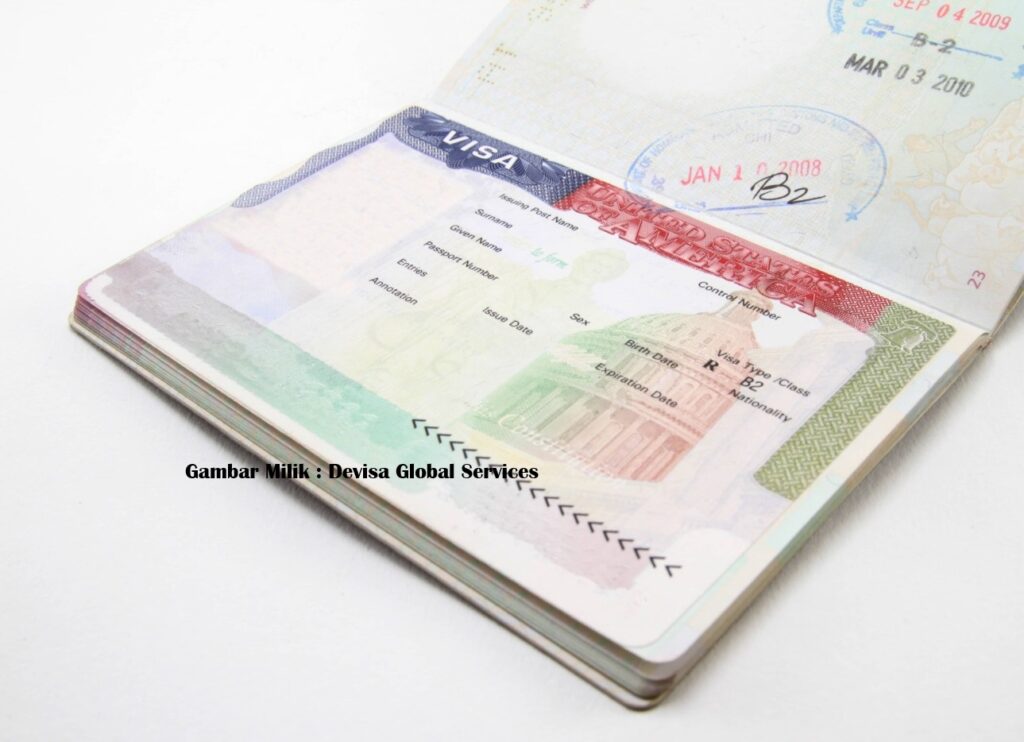
How a Visa Application Agent Maps Document Purpose
A Visa Application Agent can create a document-purpose map showing why each record belongs in the application.
The map should answer four questions:
- What fact does the document establish?
- Who issued it?
- Which institution will receive it?
- Does it require translation or authentication?
For example, a diploma may establish educational qualifications for a proposed position. A marriage certificate may prove a relationship in a dependant application. Meanwhile, a company deed may demonstrate the connection between an investor and a business.
This method prevents applicants from submitting irrelevant documents simply because they appear official.
Employment and Professional Documents
People planning to work overseas may need to demonstrate that a genuine position exists and that they possess suitable qualifications.
Supporting records can include:
- Employment contract
- Formal job offer
- Position description
- Employer support letter
- Educational certificates
- Professional licences
- Curriculum vitae
- Previous employment references
- Evidence of relevant experience
- Sponsorship or employment approval
The position, salary, work location, and employment period should remain consistent throughout the file.
Applicants should also distinguish a work activity from a temporary business visit. Attending a meeting does not necessarily create permission to perform paid employment.
Companies arranging foreign worker administration in Indonesia can review Devisa Global Services’ work permit assistance.
Study and Training Records
A study application may depend on evidence issued by an educational institution. The applicant could also need to demonstrate previous academic achievement and the ability to finance the programme.
Documents may include:
- Admission or enrolment letter
- Programme description
- Academic transcript
- Diploma or graduation certificate
- Scholarship confirmation
- Financial evidence
- Accommodation information
- Parental consent for a minor
- Research or training invitation
Applicants should check whether the proposed activity qualifies as formal study, professional training, research, or another category. The institution’s description should correspond with the purpose stated in the application.
Academic documents issued in another language may also require an authorised translation.
Business Assignment Documents
Short business activities can include meetings, conferences, contract discussions, exhibitions, or visits to commercial partners. The supporting file should explain the activity clearly without presenting it as tourism or employment.
Relevant records may include:
- Invitation from the host organization
- Employer support letter
- Meeting agenda
- Conference registration
- Evidence of a commercial relationship
- Company profile
- Travel funding statement
- Assignment letter
- Accommodation details
The invitation and employer letter should use consistent travel dates and descriptions. If the traveller will provide services or perform operational work, the company should determine whether a different immigration route is necessary.
Investor and Company Records
Investor applications connect personal identity information with corporate ownership or management records. Consequently, both sides of the file require careful comparison.
Possible documents include:
- Passport
- Company establishment deed
- Latest corporate amendments
- Shareholder information
- Management structure
- Business Identification Number
- Relevant business licences
- Investment records
- Corporate resolutions
- Sponsor letters
The investor’s name and position should match the latest company records. When a business has amended its address, ownership, or management, staff should separate superseded documents from the active file.
Devisa provides investor visa and company establishment assistance for coordinated administrative preparation.
Family and Dependant Documents
An applicant joining a spouse, parent, or other eligible family member may need documents proving the relationship and the sponsor’s status.
The file can include:
- Marriage certificate
- Birth certificate
- Passport
- Sponsor’s immigration records
- Proof of address
- Financial support evidence
- Custody or consent documents
- Photographs
Civil documents often contain variations in name spelling, especially when different languages or transliteration systems are involved. Applicants should identify these differences before arranging translation or submission.
A translated record should reproduce names consistently with the passport wherever the applicable rules allow it.
Police Clearance and Background Records
Police clearance certificates may support employment, immigration, education, or residence applications. The correct certificate depends on the applicant’s history and the requirements of the receiving authority.
An applicant may need a certificate from Indonesia, another country of citizenship, or a jurisdiction where they previously lived.
Indonesia provides an official SKCK Online service for police clearance information and applications. Applicants should verify the appropriate issuing unit, required identity records, and intended purpose.
Devisa Global Services also offers police clearance certificate assistance for applicable administrative cases.
The relevant police authority retains complete responsibility for verification and certificate issuance.
Checking Document Validity
Document validity involves more than checking an expiration date. A record may remain unexpired but contain information that no longer reflects the applicant’s situation.
A review should confirm:
- Correct full name
- Passport number
- Issue and expiration dates
- Current address
- Employer or sponsor
- Position
- Civil status
- Issuing institution
- Required signature
- Official stamp or seal
- Complete and readable pages
The reviewer should also determine whether the receiving authority accepts an electronic copy, certified copy, or original document.
Applicants should not alter an official record themselves. Errors should be addressed through the issuing institution or another authorised procedure.
Sworn Translation Requirements
A document written in one language may need translation before another authority can evaluate it. Birth certificates, diplomas, employment references, company resolutions, and legal records are common examples.
A sworn translation creates an authorised translated version. It does not independently confirm that the original document is authentic.
Before translation begins, applicants should verify:
- Target language
- Accepted translator qualification
- Required format
- Number of copies
- Treatment of stamps and handwritten notes
- Whether every page needs translation
- Spelling of personal and company names
- Whether authentication is also required
Devisa offers sworn translation services for immigration, business, academic, and legal documents.
Legalisation and Apostille
Translation and authentication perform different functions. Translation communicates the content in another language, whereas legalisation or an apostille concerns the document’s formal origin.
An apostille may apply to eligible public documents used between jurisdictions participating in the Apostille Convention. Other cases may follow a different legalisation route.
Indonesia’s Directorate General of General Legal Administration provides current requirements through its official Apostille service.
Applicants should confirm:
- Country where the document will be used
- Type of document
- Issuing authority
- Name and position of the signatory
- Need for prior certification
- Accepted authentication route
- Correct order of translation and authentication
An apostille does not verify every statement inside a document and does not replace a required translation.
Conducting a Final Readiness Review
Before submission, a Visa Application Agent can help complete a final readiness review.
The review should check whether:
- The selected application category matches the intended activity.
- Every document has a defined purpose.
- Personal information remains consistent.
- Sponsor and employer details are current.
- All pages are readable.
- Required signatures are present.
- Translations use consistent terminology.
- Authentication follows the accepted route.
- Expired documents have been replaced.
- Drafts are separated from submission copies.
- The applicant retains a complete archive.
A clean file does not guarantee approval. Nevertheless, it reduces preventable administrative confusion.
Choosing an Agent Responsibly
Applicants should evaluate an agent through transparent practices rather than approval claims.
Important considerations include:
- Clear scope of assistance
- Experience with the relevant document type
- Separation of professional and official fees
- Secure handling of passports and personal records
- Realistic processing explanations
- Clear progress updates
- Proper return of original documents
- Identification of the responsible authority
- No guarantee of approval
Complex legal questions may require advice from a qualified lawyer, notary, tax adviser, or other regulated professional.
Administrative Support from Devisa Global Services
Individuals and companies seeking a Visa Application Agent can consider Devisa Global Services for non-tourism visa and document preparation.
The independent private consultancy assists with visa applications, work and stay permits, investor administration, sworn translations, police clearance documents, and related formalities. Applicants can review Devisa’s visa consultation and application assistance or submit an enquiry through its official website.
Devisa Global Services does not act as an embassy, immigration office, police department, apostille authority, or permit-issuing body. Competent government institutions remain responsible for requirements, verification, processing, approval, and official document issuance.