



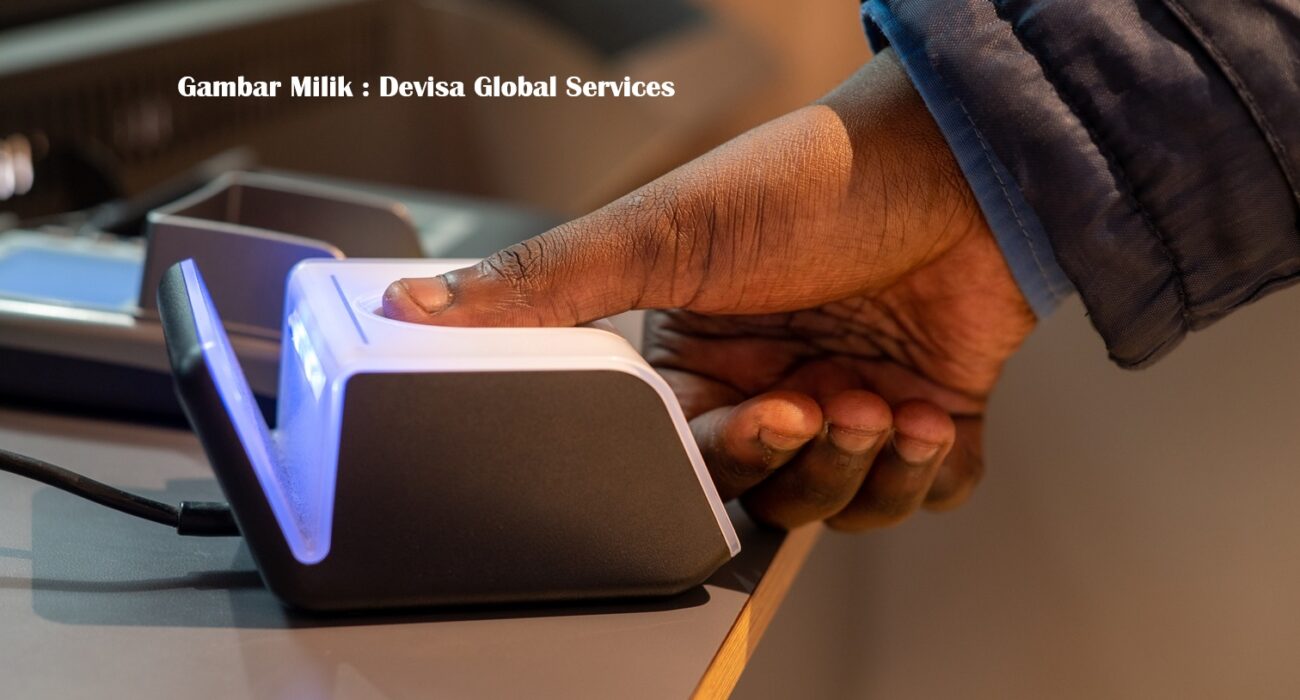
Biometric Technology in Global Visa and eVisa Systems – In an increasingly interconnected world, international travel has become faster and more accessible than ever before. Alongside this growth, governments face rising demands to strengthen border security, prevent identity fraud, and streamline immigration processes.
Biometric technology is emerging as a solution, shaping the traditional visa system and accelerating the global shift towards digital eVisa platforms. By integrating unique biological identifiers into visa processing, countries are enhancing both security and efficiency in cross-border mobility.
The Evolution from Traditional Visas to eVisas
For decades, visa applications relied heavily on physical documents, in-person interviews, and manual verification processes. Applicants were required to submit paper forms, photographs, and supporting documentation at embassies or consulates. This system, while functional, was often time-consuming, labor-intensive, and vulnerable to forgery or identity manipulation. The introduction of electronic visas (eVisas) marked a significant milestone in digital transformation.
eVisa systems allow travelers to submit applications online, upload documents electronically, and receive approvals digitally. However, digitalization alone does not fully eliminate the risks associated with identity fraud. This is where biometric technology comes into play, providing a secure method to verify that the person applying for a visa is who they claim to be.
Understanding Biometric Technology in Visa Systems
Biometric technology refers to the recognition of individuals based on unique biological and behavioral characteristics. Commonly used biometric identifiers in visa and eVisa systems include:
- Fingerprints
- Facial recognition
- Iris scans
- Voice recognition (less common in visa processes)
These identifiers are nearly impossible to imitate or forge, making them more secure than traditional identification methods like signatures or photographs. When applicants apply for a visa, their biometric data is collected at a visa application center or, increasingly, through a mobile verification system. This data is then stored in a government database and cross-checked against watchlists, immigration records, and criminal databases to ensure security and compliance.
Enhancing Border Security and Fraud Prevention
One of the primary benefits of biometric integration in visa systems is enhanced border security. Identity fraud, document forgery, and visa overstays have long been challenges for immigration authorities. Biometric data minimizes these risks by linking a visa directly to a specific individual’s biological identity. For example, facial recognition technology allows officers to instantly verify travelers at the airport by matching their live images with biometric data stored in a visa database.
This reduces the possibility of fraudsters using stolen or forged documents. Fingerprint verification ensures that individuals cannot apply under multiple identities. Biometric systems also facilitate the exchange of information between immigration agencies and international security organizations, thus strengthening global cooperation in combating transnational crime and terrorism.
Improving Efficiency and Traveler Experience
Beyond security, biometric technology significantly improves operational efficiency. Automated border control gates, powered by biometric verification, reduce long queues and processing times at airports. Travelers can pass through checkpoints quickly without repeated manual inspections. For governments, automation reduces administrative workloads and operational costs.
Digital records eliminate the need for paperwork, while data-driven systems enable background checks and faster decision-making. In the context of eVisa, biometric integration enables remote identity verification, allowing travelers to complete the application process without visiting a consulate. This is beneficial for tourists and business travelers who require fast approval.
Privacy, Ethics, and Future Considerations
Despite its advantages, the use of biometric data raises important privacy and ethical concerns. Biometric information is highly sensitive, and unauthorized access or data breaches could have serious consequences. Governments must implement strict data protection regulations, encryption standards, and transparent policies regarding data storage and usage.
Looking ahead, advancements in artificial intelligence and machine learning will likely enhance the accuracy and reliability of biometric systems. Contactless biometrics and blockchain-based identity management may further strengthen global visa frameworks.