



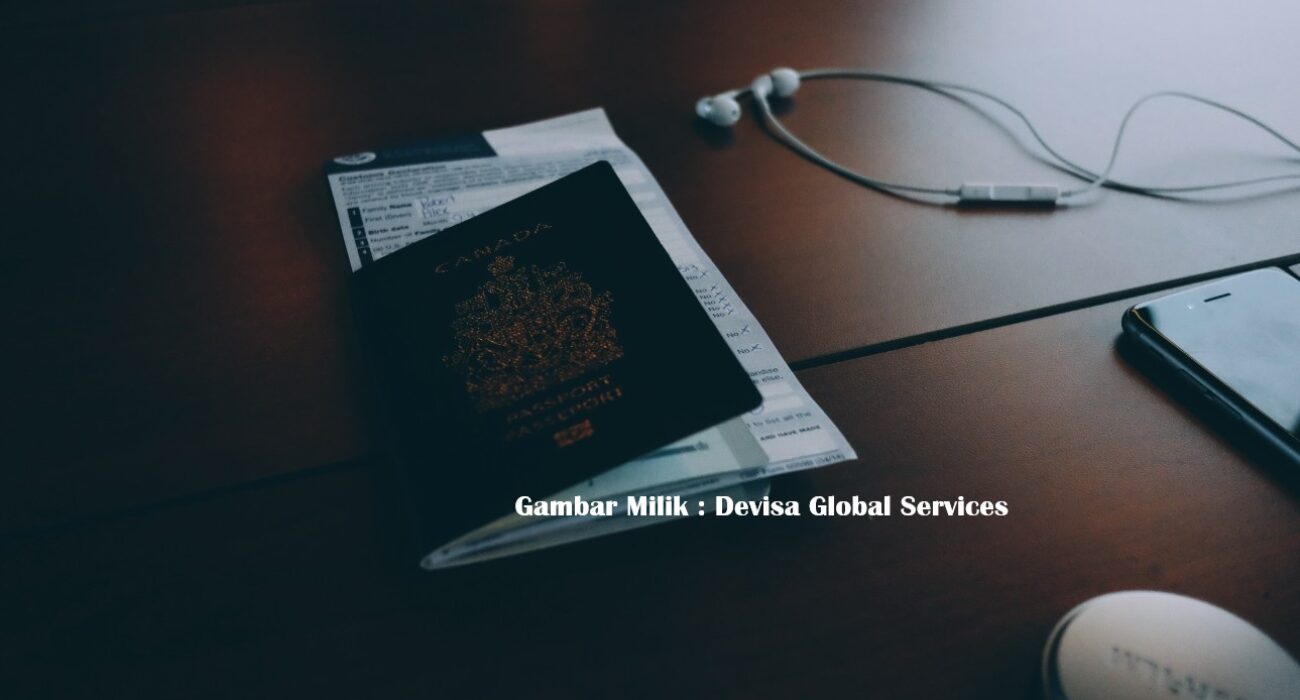
Visa Extension Procedures Abroad and a Comprehensive Guide for Applicants – Extending a visa while staying in a foreign country is a common requirement for international students, employees, business travelers, and tourists who need more time than originally permitted.
Every country has its own immigration policies, application procedures, and documentation requirements. Therefore, understanding the visa extension process is essential to avoid overstaying, legal penalties, or difficulties with future travel. Proper preparation and timely action can significantly improve the chances of obtaining a successful visa extension.
Understanding Visa Extension Requirements
The first step in applying for a visa extension is to understand the immigration requirements of the host country. Immigration laws differ from one nation to another, and even different visa categories within the same country may have unique extension rules. Applicants should carefully review the eligibility criteria, required documents, application deadlines, and processing times.
The most reliable source of information is the official immigration authority of the country where the applicant is staying. Official websites and immigration offices provide updated regulations and instructions that help applicants avoid errors caused by outdated or unofficial information.
Preparing the Required Documents
One of the most important aspects of the visa extension process is preparing complete and accurate documentation. Although requirements vary, most immigration authorities ask applicants to submit several standard documents. These documents usually include a valid passport, a completed visa extension application form, recent passport-sized photographs, proof of sufficient financial resources, accommodation details, and evidence supporting the reason for the extension.
Students may need to provide proof of enrollment, while employees may be required to submit a letter of employment. Some countries also require travel insurance or health insurance coverage for the duration of an extended stay. Applicants are advised to ensure that all information is correct. Incomplete or inaccurate documents may slow down the process or result in a rejection.
Submitting the Application
Timing plays a crucial role in the visa extension process. Applicants should submit their applications well before the expiration date of their current visa. Waiting until the last few days increases the risk of unexpected delays, missing documents, or appointment scheduling problems. Depending on the country’s immigration system, applications may be submitted online, by mail, or in person at an immigration office.
Some countries require applicants to attend biometric appointments, provide fingerprints, or participate in an interview to verify their identity and supporting documents. Applicants should also pay attention to administrative fees. Payment methods vary by country, so it is important to follow the official instructions and keep payment receipts for future reference.
Important Things Applicants Should Consider
There are several important factors that every visa extension applicant should keep in mind throughout the process.
- First, always provide truthful and accurate information. Submitting false statements or forged documents may result in visa refusal, financial penalties, deportation, or future immigration restrictions.
- Second, monitor the application status regularly. Immigration authorities may request additional documents or clarification during the review process. Responding quickly can help prevent unnecessary delays.
- Third, keep copies of every submitted document, payment receipt, appointment confirmation, and official correspondence. These records can be valuable if any administrative issues arise later.
- Fourth, understand the legal status while waiting for the decision. In some countries, applicants who submit their extension requests before their visa expires may legally remain while the application is being processed. However, this rule does not apply everywhere, so applicants must confirm the regulations in the host country.
Avoiding Common Mistakes
Many visa extension applications are delayed or rejected because of preventable mistakes. Missing application deadlines, submitting incomplete documents, failing to pay the correct fees, or misunderstanding eligibility requirements are among the most common problems.
Applicants should carefully review every requirement before submission and avoid making non-refundable travel arrangements until the extension has been officially approved. Processing times may vary depending on the season, application volume, and individual circumstances.
Conclusion
Applying for a visa extension in a foreign country requires careful planning, complete documentation, and compliance with local immigration regulations. Understanding the requirements, submitting the application on time, and maintaining honest communication with immigration authorities can significantly improve the likelihood of approval.
A successful visa extension not only allows applicants to continue their stay legally but also helps maintain a positive immigration record for future travel or long-term residency applications. By following the correct procedures and paying close attention to every detail, applicants can complete the process smoothly and avoid unnecessary legal or administrative complications.