



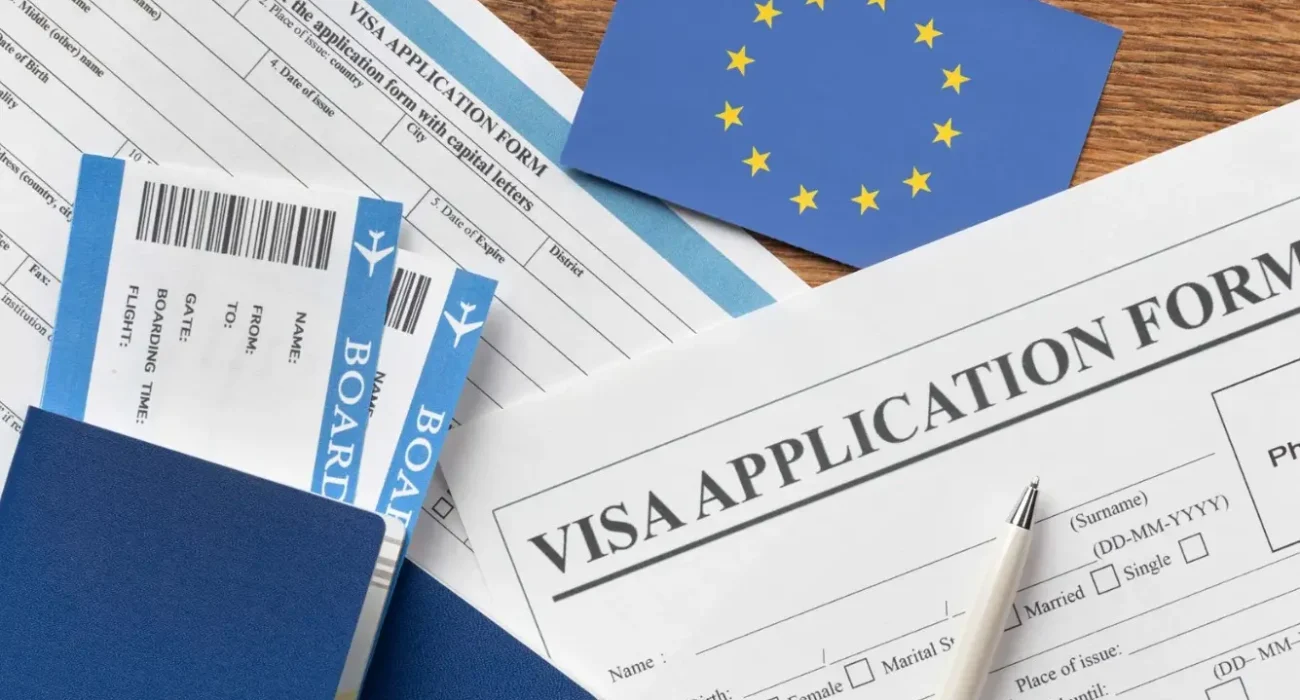
Visa vs Residence Permit – What’s the Real Difference? – If you’re planning to travel, move, or just spend some time abroad, you’ll run into two words over and over, visa and residence permit. They sound kind of similar, but trust me, they’re not the same thing. Knowing the difference isn’t just a detail it’s what keeps your stay legal and hassle free.

So, What’s a Visa?
A visa is basically your official permission slip to enter another country. You get it from that country’s embassy or consulate, usually before you leave home. It’s often a stamp or sticker in your passport. The visa says, “Okay, you can come in,” but it’s not a free pass to do whatever you want. There are all kinds of visas, depending on why you’re going. Tourists, business travelers, students, and workers all get different types, each with its own rules. Maybe a tourist visa lets you hang out for 30 or 90 days, but you can’t work.
If you’ve got a work visa, you’re allowed to take a job usually because a company there is sponsoring you. Visas don’t last forever. They’re meant for short stays, and the details like how long you can stay or how many times you can enter change from country to country. Some are single entry (one shot), others let you come and go for as long as the visa’s good. While you’re in the country, you have to stick to the rules of your visa. Want to stay longer than your visa allows? You’ll need to apply for something else: a residence permit.
Okay, Then What’s a Residence Permit?
A residence permit is a whole different ballgame. This one’s for people who plan to stick around for a while months or even years. The country’s immigration office gives you this permit, usually after you arrive with the right entry visa. You’ll need a residence permit if you’re studying long-term, working, joining family, or just living there.
There are two main types: temporary (good for a year or two, and you can usually renew it) and permanent (which you get after you’ve legally lived there for a few years). Permanent residence opens up even more doors, like the chance to apply for citizenship.
With a residence permit, you usually get access to things like healthcare, schools, and jobs. But you’re still a foreigner, so you have to follow the country’s rules renew your permit on time, report your address, that sort of thing.
So, What’s the Big Difference?
It mostly comes down to timing and purpose. A visa lets you enter the country. A residence permit lets you stay for the long haul. You get a visa from the embassy or consulate before you leave. Once you’re there, if you want to stick around, you apply for a residence permit with the local immigration office. Visas usually come with more restrictions no working on a tourist visa, for example.
Residence permits can open up more options, like work, study, or even bringing your family over. In short, visas are about getting through the border, residence permits are about building a life once you’re inside.
The Bottom Line
A visa gets you in the door. A residence permit lets you stay and actually live there. You need both, but for different reasons. If you’re heading abroad, check the rules for your destination, because every country does things their own way. Knowing when (and how) to apply for each saves you a ton of headaches and keeps everything above board. The more you know before you go, the smoother the journey.