




Global Visa Digitalization Trends Shaping Modern Immigration – Tech is changing the way people move around the world. Not that long ago, getting a visa meant filling out endless forms, waiting in line at embassies, and hoping everything went smoothly. Now, more and more countries are ditching the paperwork and moving everything online.
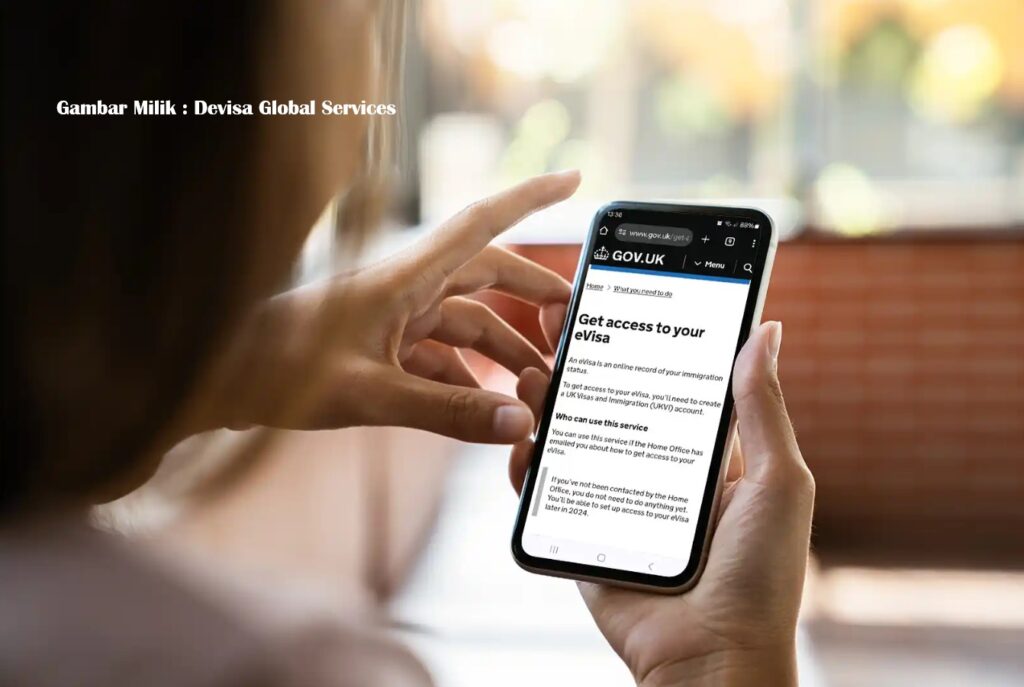
Governments see digitalization as the way forward not just to speed things up, but also to tighten security and make the whole process less painful for travelers. This push for digital visas is part of a bigger shift toward smarter, tech-driven public services.
E-Visas and Online Platforms
The spread of e-visas is probably the clearest sign of this change. With e-visas, travelers can submit applications online, skip the piles of paperwork, and often avoid stepping foot in an office. India, Australia, and Turkey jumped on this early, letting people apply, pay, and get visa approval straight from their phones or laptops. These systems usually come with automated identity checks, biometric data uploads, and secure payments. The result? Processing times that used to take weeks now take days, sometimes even just a few hours.
What’s In It for Governments and Travelers
Digital visas aren’t just convenient they come with real perks for both sides. For governments, digital platforms mean better control at the border. They can track who’s coming and going in real time, run automated risk assessments, and spot fraud faster. Biometric checks, facial recognition, and AI tools make things more secure without slowing down people who are following the rules. Travelers get a lot out of it too.
Online applications cut down on red tape and save people from making trips to embassies. It’s easy to track where your application is in the process, and you get updates and reminders by email or through an app. It all adds up to a much smoother journey.
How Digital Visas Fit with Modern Immigration
It’s not just about e-visas as a standalone thing. Many countries are linking these digital systems with their broader immigration controls. Airports and border crossings now use automated gates and biometric checks. So, if you’ve got a digital visa, you can often breeze past the long lines, just by scanning your face, your fingerprint, or your passport chip. Singapore’s automated immigration gates and the UAE’s e-gate systems show how this tech can keep things moving quickly while still keeping borders secure.
Challenges No One Can Ignore
Of course, it’s not all smooth sailing. Cybersecurity is a big concern. When everything goes digital, there’s always the risk of hackers, identity theft, or data leaks. Governments have to keep personal data safe while still making the system work fast. Another problem, not everyone has equal access to the internet or knows how to use these digital tools, especially in less developed regions. To make sure digitalization doesn’t leave people behind, governments need to offer alternative ways to apply or help those who need it.
Why Working Together Matters
As more countries go digital, they need to work together. Setting up shared standards, making sure systems can “talk” to each other, and agreeing on security rules all help make travel less of a hassle. International groups like IATA and UNWTO are trying to get everyone on the same page so travelers don’t have to keep filling out the same info for every country they visit.
What’s Next for Digital Visas
Looking ahead, tech will drive the next wave of changes. Artificial intelligence is set to handle more risk assessments, fraud checks, and even application reviews. Blockchain could help create secure, tamper-proof records of where people have traveled and their visa status, cutting down on bureaucracy.
Mobile identity is another big thing imagine carrying your visa and ID on your phone and just scanning it at the border. Some countries are testing fully automated immigration, digital visas, biometric checks, and AI assessments, with barely any human involvement at the checkpoint.
How This Is Changing Travel
This digital shift isn’t just tweaking immigration it’s shaking up the whole travel industry. Airlines, tour operators, and travelers themselves are all adapting to a world where paper visas are fading away and digital is the new normal.