



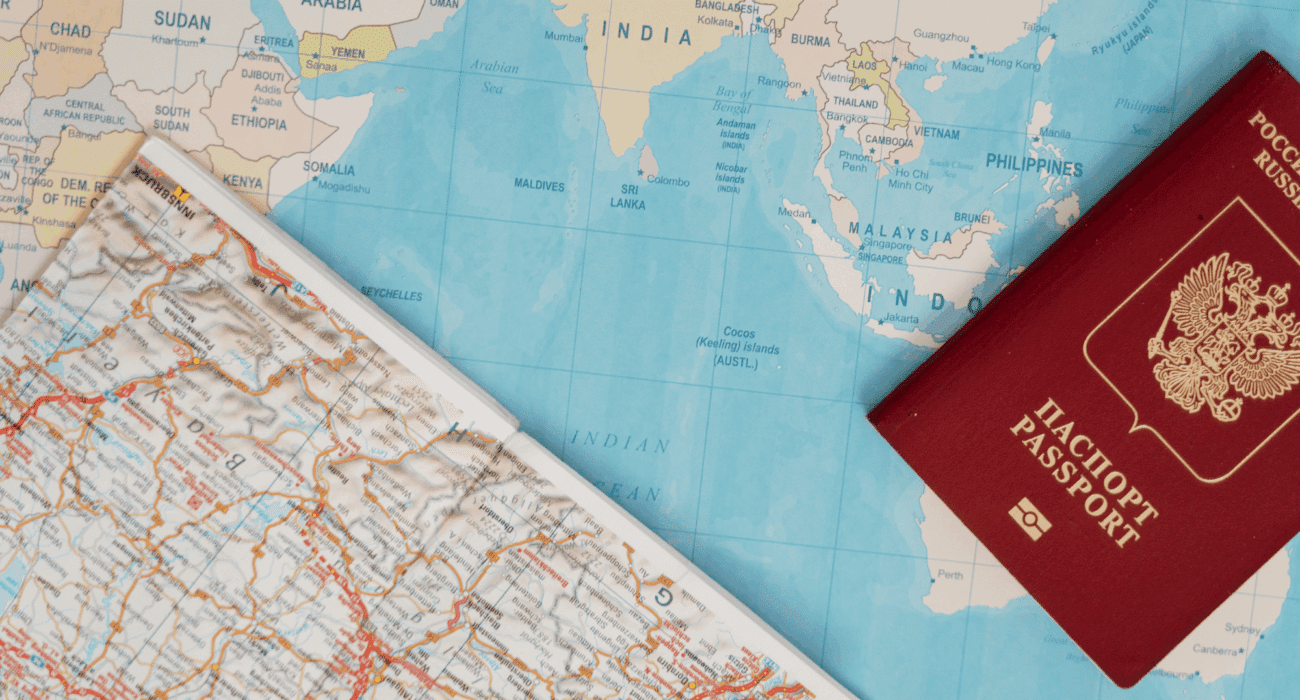
Visa and eVisa Requirements for International Travelers – Traveling abroad is easier than ever, but before you pack your bags, you’ve got to deal with the basics of visa. Whether you’re filling out forms at an embassy or clicking through an eVisa application online, there are a few things everyone needs to sort out first. Every country has its rules, but most of the requirements are pretty similar wherever you are.
Valid Passport
First up, the passport. No way around this one. Most countries want your passport to be valid for at least six months after you leave. Plus, you’ll need at least one or two blank pages left for stamps. If your passport’s damaged, expired, or almost out of time, expect problems, maybe even a flat-out no. Always check your passport’s condition and expiration date before you even start planning.
Application Form
You’ll need to fill out a visa or eVisa application form. For traditional visas, you might hand in a paper copy or submit it online through the embassy’s website. eVisa applications are all digital. Double-check everything: names, birth dates, all of it. Mistakes or mismatches between your form and documents can slow you down or get you rejected. Don’t rush this part.
Passport Photos
Almost every visa application asks for recent passport-sized photos. Each country has its own rules for size, background, and even your facial expression. For eVisas, you’ll usually upload a digital photo. Get the details right, or your application might get bounced back. Always follow the official guidelines.
Proof of Travel Purpose
Immigration officials want to know why you’re visiting. You might need to show flight details, hotel bookings, or an invitation from someone in the country. Business travelers often need a letter from the company they’re visiting. Tourists usually have to show their accommodation info and return tickets to prove they’re not planning to overstay.
Financial Proof
You have to show you can afford your trip. Expect to hand over recent bank statements, pay slips, or a sponsorship letter whatever proves you’ve got enough money for your stay. This reassures the country you’re visiting that you won’t be a financial burden.
Travel Insurance
A lot of countries want you to have travel insurance that covers medical emergencies and repatriation. This is especially common with eVisas and in regions with special travel rules. Your insurance needs to last the whole trip and meet whatever minimum coverage the country requires.
Extra Documents
Depending on the visa, you might need to show even more paperwork, things like an employment letter, student enrollment proof, marriage certificate, or proof of where you live. Kids usually need consent letters from their parents or guardians. The more organized and complete your documents are, the better your chances.
Visa Fees
Visas and eVisas aren’t free. Fees change based on the country, visa type, and how fast you need it processed. For eVisas, pay online. Traditional visas might mean a trip to the bank or a payment center. Keep your receipt as proof you paid.
Processing Times and Approval
How long does it take? It depends. eVisas sometimes come through in a few days, but regular visas can drag on for weeks. Apply early, don’t leave it to the last minute. When you get your visa, check the details: dates, allowed length of stay, all of it.
In Short
Getting a visa or eVisa is a crucial part of planning an international trip. The requirements might change from one country to the next, but the basics stay the same. Make sure your passport’s good, fill out your forms carefully, gather all your documents, and apply early. That way, you’re set to go no ugly surprises at the border.