



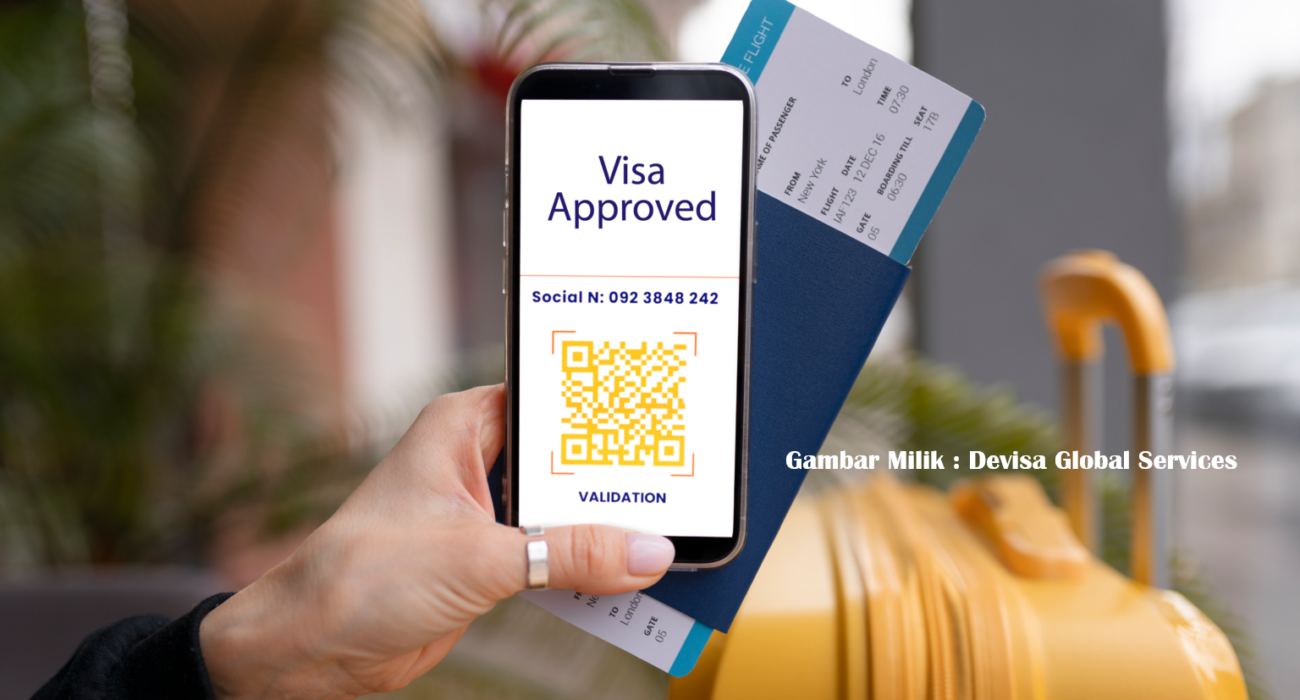
Exploring Security Innovations in Modern eVisa Technology – As global travel continues to grow, many countries have shifted from traditional visa systems to electronic visas, or eVisas. This transition improves efficiency, reduces paperwork, and accelerates approval times. However, the success of eVisa systems depends heavily on strong security measures. Modern eVisa technology incorporates several advanced innovations designed to protect traveler data and maintain border integrity.

Biometric Identification and Verification
Biometric identification has become a cornerstone of modern eVisa security. Applicants are often required to submit facial photographs or fingerprints as part of the application process. Authorities use biometric data to confirm that the applicant’s identity matches their official travel documents. Facial recognition systems compare uploaded images with passport photos to detect inconsistencies. This process helps prevent identity fraud and misuse of stolen passports.
At border checkpoints, biometric verification can also confirm that the person entering the country is the same individual who received the eVisa approval. Biometrics provide a high level of accuracy because physical characteristics are unique and difficult to duplicate.
Strong Data Encryption and Privacy Protection
Protecting personal data is a major priority in eVisa systems. Modern platforms rely on strong encryption to secure sensitive information such as passport numbers, biometric data, and travel history. Encryption protects data while it is transmitted and stored in government databases. Secure servers limit access to authorized officials only.
Many systems also follow strict data privacy regulations to ensure that applicant information is not misused. Data retention policies further reduce risk by ensuring that information is stored only for necessary periods. These measures help build trust among travelers who submit personal information online.
Artificial Intelligence in Fraud Detection
Artificial intelligence plays an increasingly important role in enhancing eVisa security. AI systems analyze applications to detect unusual patterns, inconsistencies, or potential signs of fraud. For example, they may identify mismatched data, repeated applications, or suspicious travel histories. Machine learning allows these systems to improve accuracy over time.
As more data is processed, AI models become better at identifying high-risk cases. This enables immigration officers to focus on applications that require closer review while allowing low-risk travelers to receive faster approvals. AI-driven analysis improves efficiency without sacrificing security.
Integration with Global Security Databases
Modern eVisa platforms often connect with international security and immigration databases. These integrations allow authorities to cross-check applicant information against global watchlists and records of previous visa violations. Automated screening reduces human error and ensures consistent decision-making.
Real-time access to updated databases also allows governments to respond quickly to emerging security threats. This level of connectivity strengthens international cooperation and enhances border control effectiveness.
Digital Verification and QR Codes
Digital verification tools have replaced traditional visa stickers and stamps. Many eVisas now include QR codes or digital reference numbers. Travelers present these codes at airports or border checkpoints, where officials scan them to access visa details securely. This system reduces the risk of document forgery and tampering.
Since the visa data remains stored digitally, printed copies cannot be altered to change official records. Digital verification also speeds up processing times and reduces manual checks. Some airlines can verify eVisa status before boarding, which adds another layer of security.
Multi-Factor Authentication for System Access
To protect both applicants and administrative users, eVisa platforms often use multi-factor authentication. This requires users to verify their identity using more than one method, such as a password combined with a one-time code sent to a mobile device.
Multi-factor authentication significantly reduces the risk of unauthorized access. Even if login credentials are compromised, attackers cannot easily access the system without the additional verification step. This approach strengthens overall system resilience against cyber threats.