



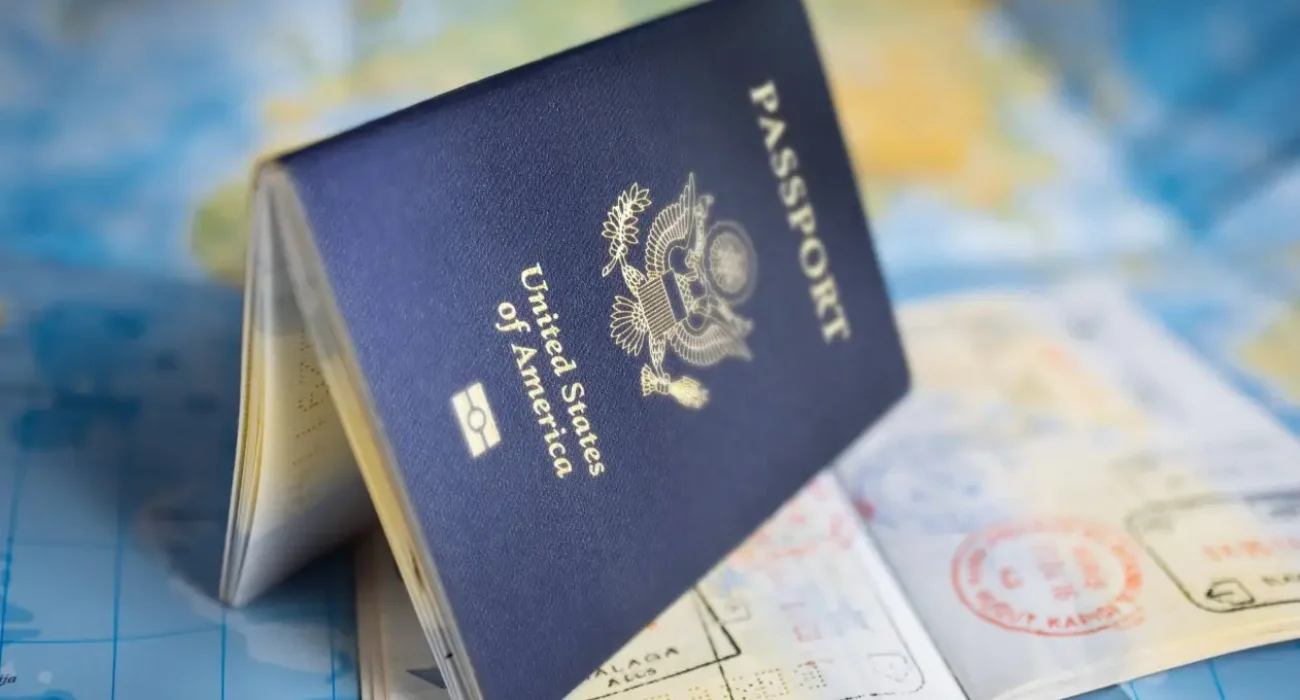
Types of U.S. Visas and How to Apply for Them in 2025 – Trying to get a U.S. visas can feel overwhelming. There are so many types each with its own rules and the application process in 2025 isn’t exactly simple. If you want to avoid headaches and speed up your approval, it helps to know which visa fits your plans and what you’ll need to do.
1. Non-Immigrant Visas
Non-immigrant visas are for people who want to visit or stay in the U.S. for a limited time. Maybe you’re traveling, studying, working for a while, or getting medical care. Here are some of the most common non immigrant visas:
B1/B2 Visa (Business or Tourist)
If you’re coming for business meetings, conferences, stuff like that you want a B1. If you’re just visiting, sightseeing, or seeing family, you’ll need a B2. Usually, these get combined into a B1/B2 visa, which can last up to 10 years and lets you come and go, depending on your nationality.
F1 Visa (Student)
This is for students enrolling in U.S. schools universities, high schools, or language programs. You have to be a full-time student, but you can work part-time if you follow the rules.
J1 Visa (Exchange Visitor)
The J1 is for anyone in an approved exchange program, like scholars, interns, or cultural exchange participants. It’s about sharing knowledge and experiences between the U.S. and other countries.
H1B Visa (Skilled Worker)
If you’re a professional engineer, IT specialist, healthcare worker this is for you. You need a U.S. employer to sponsor you and at least a bachelor’s degree in your field.
O1 Visa (Extraordinary Ability)
This one’s for people who are really outstanding in science, art, sports, business, or similar fields. You’ll need to show proof of your achievements awards, recognition, or big contributions.
2. Immigrant Visas
Immigrant visas are for people planning to move to the U.S. for good. Most of these folks aim to get a Green Card after they arrive. Here are the main types:
Family-Sponsored Visas
If you have close family in the U.S. like a spouse, child, or parent who is a citizen or permanent resident, they can sponsor you. These are some of the most common visas approved each year.
Employment-Based Visas
If you have special skills, education, or expertise, you might qualify for an employment-based immigrant visa. These are divided into several groups (EB-1 through EB-5), depending on your background and, sometimes, how much you’re willing to invest.
Diversity Visa (DV Lottery)
Nicknamed the Green Card Lottery, this program gives people from countries with low U.S. immigration rates a chance to apply for permanent residence. It’s free to enter, and about 55,000 winners get picked at random every year.
3. How to Apply for a U.S. Visa in 2025
The steps haven’t changed much, but in 2025, you’ll see more digital paperwork and stricter requirements. Here’s how it goes:
Step 1: Figure Out Which Visa You Need
Pick the visa that matches your reason for going. The U.S. State Department’s website has a Visa Wizard that can help you sort it out.
Step 2: Fill Out the Form (DS-160 for Non-Immigrant, DS-260 for Immigrant)
Non-immigrant applicants use the DS-160, immigrants use the DS-260. Fill it out online with your personal info, travel plans, and background details. When you finish, you’ll get a barcode confirmation page print it out and keep it safe.
Step 3: Pay the Visa Fee
Fees depend on what visa you’re getting. You usually pay online or through a bank. For example, B1/B2 visas are about $185, but H1B and O1 cost more.
Step 4: Book Your Interview
Set up an interview at the nearest U.S. Embassy or Consulate. Most applicants between ages 14 and 79 need an interview. Bring your passport, confirmation page, and proof of fee payment.
Step 5: Go to Your Interview and Bring Your Documents
The consular officer will ask about your plans and background. Bring any documents that support your case bank statements, job offers, school acceptance letters, whatever fits. Just be honest and straightforward.
Step 6: Wait for Processing
How long you wait depends on your visa type and the embassy’s workload. You can check your status online. Once you’re approved, they’ll stamp your visa in your passport and send it back to you.