



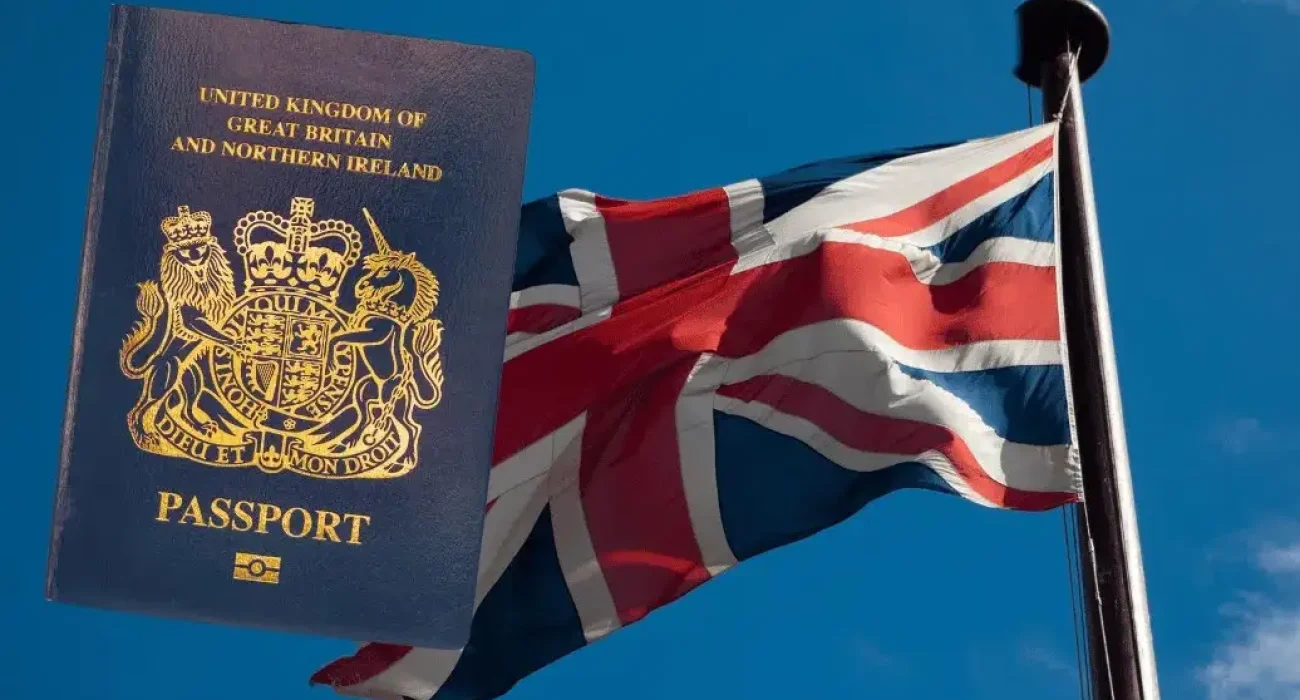
Why UK Visas Get Refused And What You Can Do If It Happens – Trying to get a UK visas isn’t easy. Even when you think you’ve done everything right, you can still end up with a rejection letter. It’s frustrating, and honestly, a lot of people make the same mistakes without even realizing it. If you know the main reasons people get refused, you can dodge those pitfalls. And if you’ve already had your visa denied, don’t worry there’s still a way forward if you know how to appeal.
1. Messy or Missing Paperwork
This is probably the biggest reason people get refused. The Home Office wants proof lots of it. They want to see why you’re visiting, that you can pay your way, and that you plan to go home when your trip’s over. If you forget things like bank statements, job letters, or an invitation from someone in the UK, that’s a fast-track to rejection.
Even little slip ups like mismatching dates or spelling mistakes can make the officer suspicious. If your paperwork doesn’t look right, they won’t trust your story. Always double check everything before you send it in. And if your documents aren’t in English, get a certified translation. Don’t cut corners here.
2. Not Enough Proof You Can Afford It
Money’s a big deal. No matter why you’re visiting holiday, study, work you need to prove you have enough cash to cover your stay without borrowing from the UK government.
If your bank statements show weird, unexplained deposits or your balance looks too low for your trip, they’ll say no. Or maybe your pay slips don’t match what you claim you earn. The Home Office will spot that. So, line up your financial proof: steady bank statements, pay slips, work contracts, or business records. Make it all add up.
3. Your Reason for Visiting Isn’t Clear
You need to make it obvious why you’re going. If your story is vague or doesn’t fit your background, they’ll get suspicious. For example, if you say you’re a tourist but send in business documents, that’s confusing and won’t help.
Lay it out clearly. Tourists should show hotel bookings, travel plans, and a return flight. Business travelers need official invitations and company paperwork. Basically, tell your story straight and back it up.
4. They Don’t Believe You’ll Go Home
This one’s huge. If the officer thinks you’ll overstay or work illegally, your chances are shot. You need to show strong reasons you’ll return: a steady job, family at home, property, or school commitments. Anything that ties you to your home country helps.
5. Past Immigration Problems
If you’ve had trouble before visa refusals, overstaying, breaking immigration rules anywhere that’s going to hurt. The Home Office checks your history. Hiding it or lying just makes things worse and can get you banned from applying again. If you’ve had issues, explain what happened and show it’s sorted out.
What To Do If You’re Refused
If you get refused, you’ll get a letter telling you why. Read it carefully it tells you what went wrong and what you need to fix. Depending on your visa type, you’ve got a few options:
- Ask for an administrative review if you think they messed up the decision.
- If you’re applying for a family or human rights visa, you might be able to appeal to the Immigration Tribunal.
- Or, most of the time, it’s better to reapply with better paperwork and fix the problems they pointed out.
Tackle every reason they gave for refusing you, and add stronger evidence if you can. Getting advice from a good immigration consultant or lawyer can give you a better shot next time. Don’t give up just be smarter with your next move.