




Common Mistakes to Avoid When Applying for Permits Abroad – Applying for permits abroad, whether for work, study, residence, or business, can be a complex and stressful process. Each country has its own regulations, documentation standards, and administrative procedures.
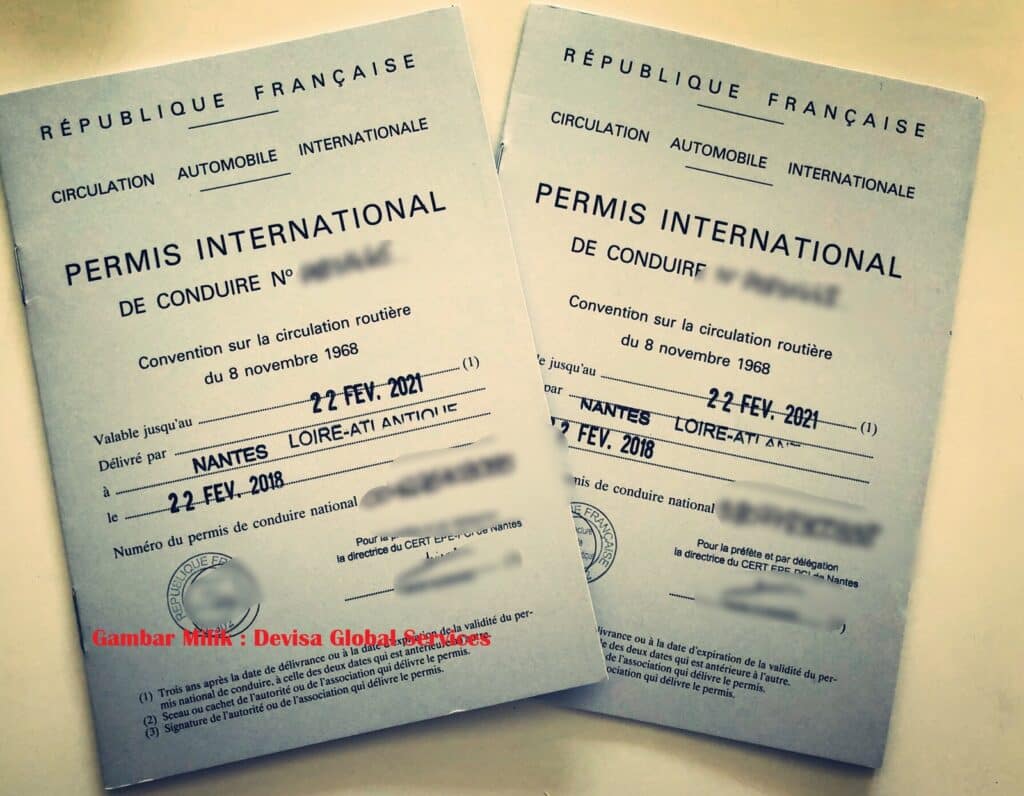
Many applicants face delays or rejections not because they are unqualified, but because they make avoidable mistakes during the application process. Understanding these common pitfalls can significantly increase your chances of success and save time, money, and frustration. Below are some of the most frequent mistakes to avoid when applying for permits abroad.
1. Not Researching Country-Specific Requirements Thoroughly
One of the most common mistakes is assuming that permit requirements are similar across countries. In reality, immigration laws and administrative processes vary widely. Some countries require extensive documentation, while others emphasize interviews or background checks.
Failing to research official government sources or relying on outdated or unofficial information can lead to incomplete or incorrect applications. Always consult the official immigration website of the destination country or seek guidance from authorized agencies.
2. Submitting Incomplete or Incorrect Documentation
Missing documents, expired passports, incorrect forms, or inconsistent information are major reasons for application rejection. Even small errors, such as misspelled names or mismatched dates, can cause delays. Many applicants underestimate the importance of document accuracy. Before submission, carefully review the checklist provided by authorities and ensure that all documents are complete, valid, and translated (if required) by certified translators.
3. Ignoring Deadlines and Processing Times
Another critical mistake is poor time management. Some permits take weeks or even months to process, especially during peak seasons. Applicants who submit their documents too close to their intended travel or start date risk missing important deadlines. Additionally, embassies and immigration offices often have strict submission windows. Planning well in advance and accounting for potential delays is essential.
4. Providing Inaccurate or Misleading Information
Some applicants intentionally or unintentionally provide false or misleading information, thinking it may improve their chances. This is a serious mistake. Immigration authorities often conduct thorough background checks, and any inconsistency can lead to immediate rejection or even long-term bans. Honesty and transparency are crucial. If you are unsure about how to answer a question, seek professional advice rather than guessing.
5. Underestimating Financial Requirements
Many permits require proof of sufficient funds to support yourself during your stay. Applicants sometimes fail to meet minimum financial thresholds or submit unclear financial statements. Using unofficial bank statements, failing to show consistent income, or not explaining financial sponsors properly can weaken your application. Make sure your financial documents are clear, verifiable, and meet the specific criteria outlined by the authorities.
6. Not Understanding Permit Limitations and Conditions
Some applicants focus solely on obtaining the permit and overlook its conditions. For example, a student permit may limit working hours, while a tourist permit may prohibit any form of employment. Violating these conditions intentionally or unknowingly can result in fines, permit cancellation, or future visa denials. Carefully read and understand what your permit allows and prohibits.
7. Failing to Seek Professional Help When Needed
While many applications can be completed independently, complex cases such as family reunification, business permits, or appeals after rejection often require professional assistance. Some applicants avoid seeking help to save money, only to face costly mistakes later. Licensed immigration consultants or lawyers can provide valuable guidance, especially when dealing with complicated regulations.
8. Not Preparing for Interviews or Follow-Ups
Certain permits require interviews or additional verification after submission. Applicants who fail to prepare adequately may appear unconvincing or inconsistent. Being unfamiliar with your own application details, your purpose of stay, or your long-term plans can raise red flags. Preparation and confidence are key during any interaction with immigration officials.
Conclusion
Applying for permits abroad is a process that demands careful planning, attention to detail, and patience. Most mistakes stem from a lack of preparation, misinformation, or rushed decisions. By thoroughly researching requirements, submitting accurate documentation, respecting deadlines, and seeking professional help when necessary, applicants can greatly improve their chances of approval.
Avoiding these common mistakes not only smooths the application process but also sets a solid foundation for a successful experience abroad.