



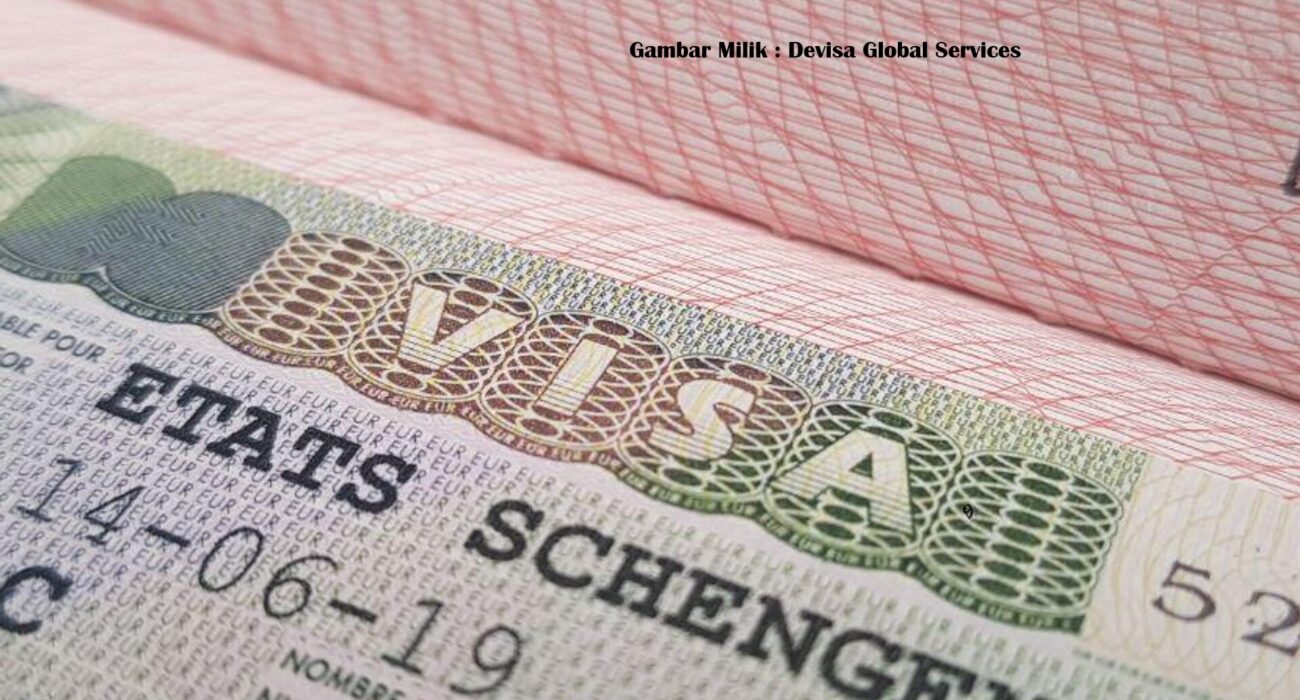
Quick Tips for Obtaining a Multiple-Entry Visa for Active Travelers – For frequent travelers, a multiple-entry visa is a valuable travel document that allows repeated entry into a country within a specified period. This type of visa is especially beneficial for active travelers such as business professionals, digital nomads, researchers, and travel enthusiasts who cross borders regularly.
However, obtaining a multiple-entry visa can be more challenging than applying for a single-entry visa. Understanding the requirements and preparing yourself can improve your chances of approval.
Understand the Purpose of a Multiple Entry Visa
The first step in securing a multiple-entry visa is clearly understanding its purpose. Immigration authorities typically issue this visa to applicants who demonstrate a genuine need for frequent travel, such as business meetings, conferences, family visits, or long-term travel plans. When applying, travelers must ensure that their stated purpose aligns with the visa type. A clear and consistent explanation of travel intentions helps visa officers assess credibility and reduces the risk of rejection.
Maintain a Strong Travel History
A solid travel history is one of the most important factors in obtaining a multiple entry visa. Travelers who have previously visited foreign countries and complied with visa conditions are viewed as low-risk applicants. Entry and exit stamps, expired visas, and previous multiple-entry visas demonstrate responsible travel behavior. For active travelers, maintaining an organized record of past trips can support the application and strengthen trust with immigration authorities.
Prepare Complete and Accurate Documentation
Incomplete or inconsistent documentation is grounds for visa denial. Applicants should review the requirements provided by the embassy or consulate and ensure all documents are accurate and up-to-date. These documents typically include a valid passport, application form, itinerary, proof of accommodation, and financial statements. Any discrepancies between documents can raise concerns. Submitting a well-prepared application reflects professionalism and reliability.
Demonstrate Financial Stability
Financial capability is a key consideration for visa officers. Active travelers must show that they can support themselves during multiple visits without violating visa conditions. Bank statements, income records, or sponsorship letters can be used to demonstrate financial stability. A strong financial profile reassures authorities that the traveler is unlikely to overstay or seek unauthorized employment, which increases the likelihood of approval.
Provide a Clear and Realistic Travel Plan
While flexibility is a benefit of a multiple-entry visa, applicants are still expected to present a reasonable travel plan. A brief outline of intended destinations, estimated travel dates, and reasons for frequent visits is usually sufficient. The plan should be realistic and consistent with the applicant’s background. Overly vague or exaggerated travel plans may raise doubts, whereas a structured explanation enhances credibility.
Leverage Business or Professional Credentials
For active travelers traveling frequently for work, professional documentation can significantly strengthen an application. Letters from employers, business partners, or conference organizers can confirm the necessity of repeated travel. Freelancers and digital nomads may include contracts, client letters, or proof of ongoing projects. These documents provide a legitimate justification for multiple entries and demonstrate long-term travel intent.
Apply Early and Choose the Right Visa Category
Timing is crucial when applying for a multiple-entry visa. Submitting an application well in advance allows time to address additional document requests or interviews. Additionally, choosing the correct visa category is essential. Applying for a tourist visa when the actual purpose is business-related can result in rejection. Selecting the appropriate category ensures compliance with immigration regulations and improves approval chances.
Conclusion
Obtaining a multiple-entry visa requires careful preparation, consistency, and credibility. For travelers, demonstrating a clear purpose, a strong travel history, financial stability, and professional justification are key to success. By understanding visa requirements and presenting a well-organized application, travelers can enjoy the convenience and flexibility that a multiple-entry visa offers. With the right approach, frequent international travel becomes smoother, more efficient, and far less stressful.